Manufactured vs. Modular Homes in Central Texas: What Military Buyers Need to Know
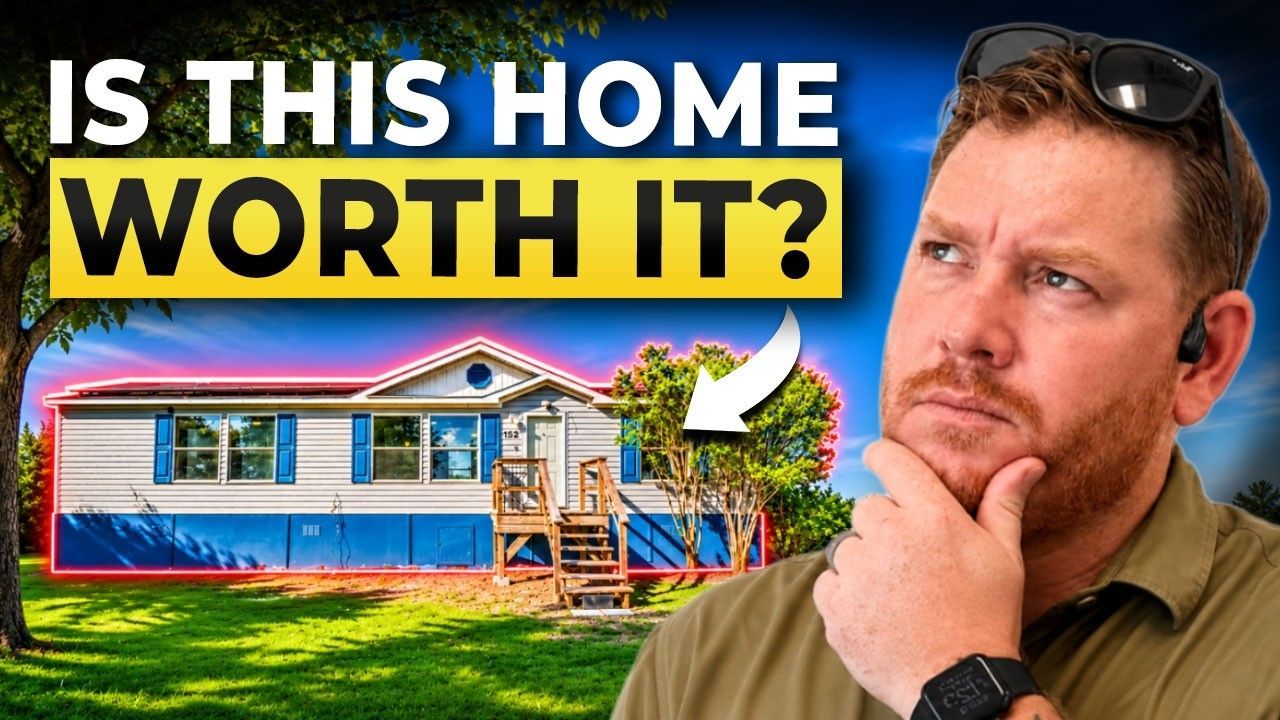
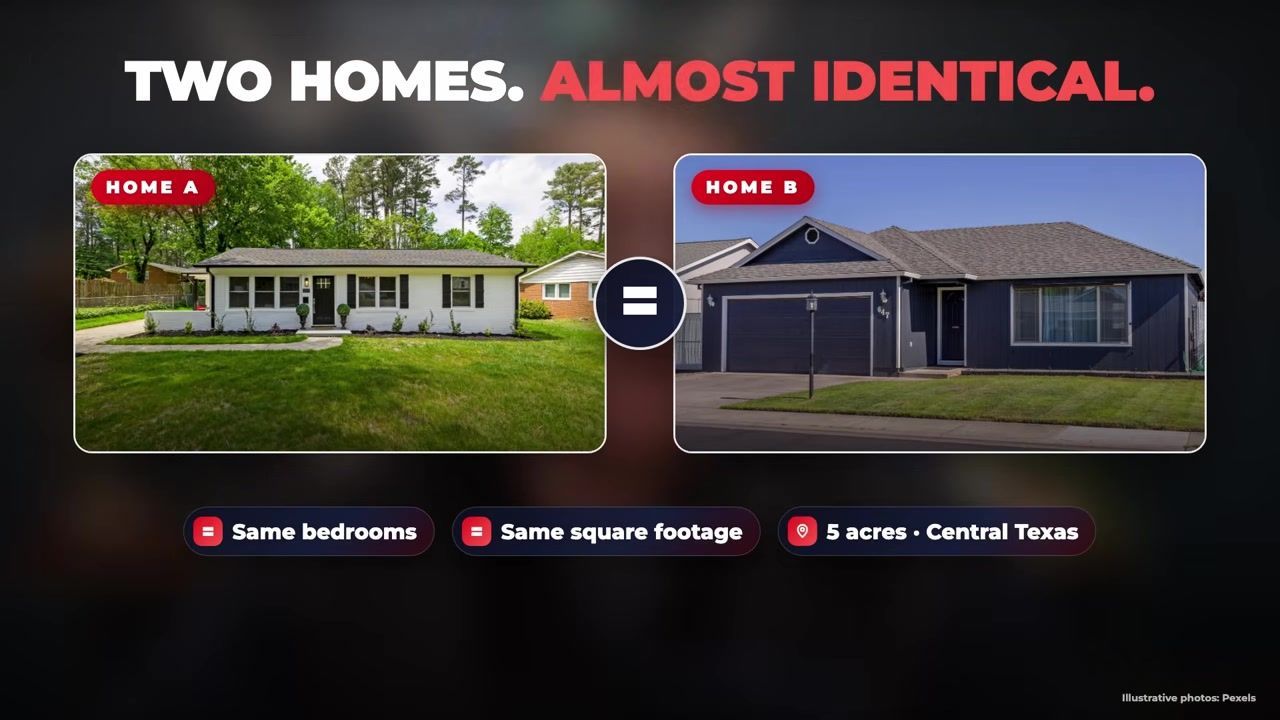
Two homes can look almost identical. Same number of bedrooms, same square footage, both sitting on five acres in Central Texas. But one could be significantly harder to finance, insure, and sell than the other. You could buy a manufactured home, put it on your own land, live in it for fifteen years, and still discover a paperwork issue when you go to sell it. Or you walk into a dealership, see a beautiful four-bedroom double-wide advertised for $150,000, and think you found the deal of a lifetime, until you realize that price doesn't include the land, foundation, delivery, septic, water, electricity, or driveway.
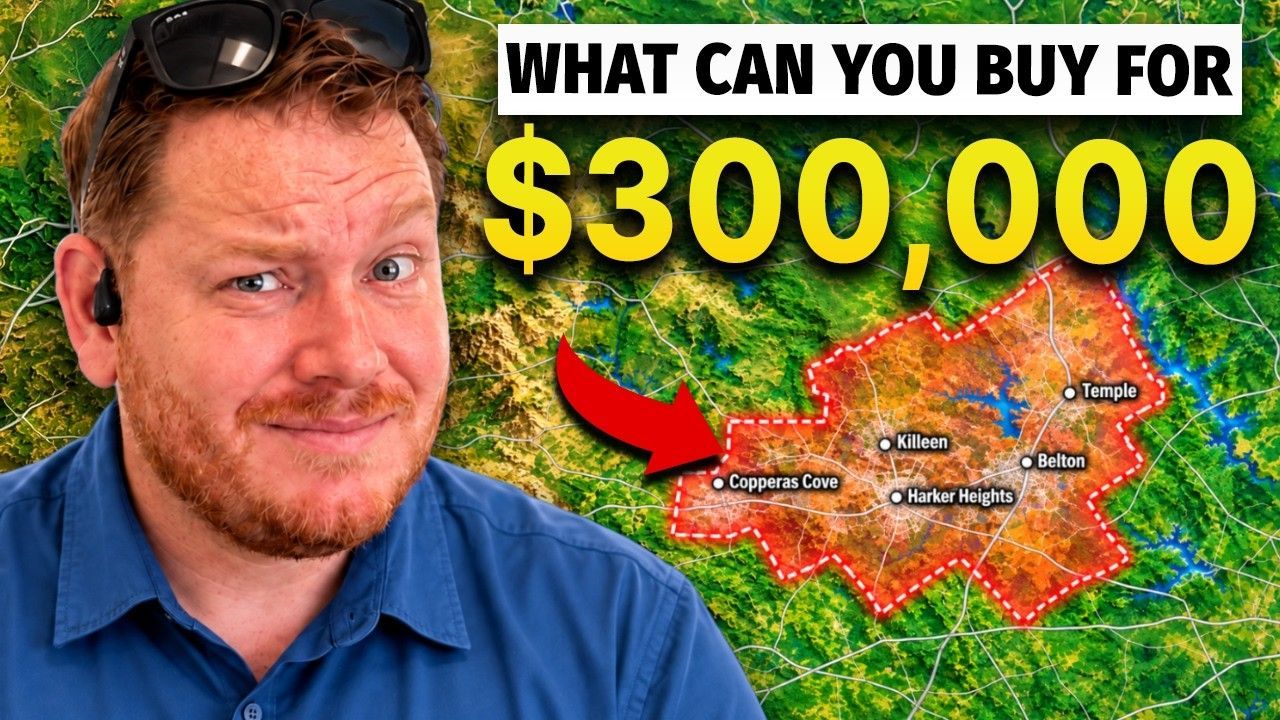
Understanding the difference between manufactured homes and modular homes could save you thousands of dollars and a whole lot of frustration. Both are built in factories. Both can look exactly alike when they're finished. But they're not the same, and the construction classification affects which rules and loan requirements apply. If you're exploring alternatives to traditional site-built homes around Killeen, Copperas Cove, Kempner, Florence, Temple, Belton, or Salado, you need to know what you're actually buying before you sign a contract at a dealership or close on that piece of land.
I spent thirteen years on active duty in the Army as an infantryman, and now I help people buy, sell, and relocate throughout Central Texas. More buyers are exploring manufactured and modular homes, especially in the rural communities that offer acreage and affordability. This article breaks down the differences, how financing works, what HUD actually requires, and the biggest mistakes people make when buying either one. I'm also giving you two checklists: one for buying an existing manufactured home and another for buying a brand-new home from a dealership.
Table of Contents
- Understanding Manufactured Homes vs. Modular Homes in Central Texas
- Why the HUD Tag Matters
- Personal Property vs. Real Property in Texas
- Foundation Requirements: Just Because It Looks Permanent Doesn't Mean It Qualifies
- Buying an Existing Manufactured Home
- Buying a Brand-New Manufactured Home from a Dealership
- FHA, VA, Conventional, and Home-Only Loans
- What About Resale Value?
- Which Is Right for You: Manufactured or Modular?
- Conclusion
Understanding Manufactured Homes vs. Modular Homes in Central Texas
Just because a home is built in a factory does not automatically make it a manufactured home. Both manufactured homes and modular homes are constructed in a factory environment. Both can arrive at the property in sections. Both can look like traditional houses when they're finished. The difference is the construction standard they follow.
A manufactured home is built under the federal HUD code. HUD stands for the Department of Housing and Urban Development. The modern federal manufactured housing standard took effect on June 15, 1976. If you're looking at a home built before that date, you're generally talking about what we call a pre-HUD mobile home, and that date matters when we start discussing financing. A manufactured home is constructed on a permanent chassis. That chassis is part of the home's construction system. Whether it's a single-wide, double-wide, or even a larger multi-section home, it falls under the manufactured housing rules when it's built to that federal standard.
A modular home is also built in sections in a factory, but instead of being constructed under the Federal Manufactured Home HUD code, it's built to the state and local building codes for the location where it will be installed. Think of the building code path used for traditional site-built homes. The sections are transported to the property and assembled on a permanent foundation.
Here's the simplest way I can explain it: manufactured homes follow the federal HUD Manufactured Housing Code. Modular homes follow the applicable building codes similar to site-built construction. That's the difference you need to understand before we talk about anything else.
Does that automatically make one better than the other? No. A well-built, properly installed manufactured home can absolutely be a good housing option. And a modular home isn't automatically a better investment simply because it's modular. The condition, location, price, land, financing, construction quality, and resale market all matter. But the construction classification affects which rules and loan requirements apply.
Killeen
Killeen is one of the areas where buyers explore manufactured and modular home options. Near Fort Cavazos, military families are common buyers looking for affordable alternatives to traditional site-built homes. The area offers acreage opportunities and a range of housing options for those willing to consider factory-built homes.
Copperas Cove
Copperas Cove is another Central Texas community where manufactured and modular homes are part of the housing landscape. You might find a double-wide on three acres outside Copperas Cove that looks fantastic, updated kitchen, new roof, nice porch. But before you get too excited, you need to know what you're actually buying and whether your financing will work.
Kempner
Kempner is a smaller community where buyers often look for acreage and affordability. A double-wide on two acres near Kempner might fit your budget, but the total move-in cost depends on more than just the advertised home price. You need to account for land, utilities, septic, foundation, and site preparation.
Florence
Florence offers rural acreage options for buyers who want privacy and space. Five acres outside Florence sounds appealing, but you need to make sure the land allows manufactured homes, that you have access to water and electricity, and that the delivery truck can actually reach the home site.
Temple
Temple is a larger city in Central Texas where you might find older manufactured homes on land outside the city limits. An older home on land outside Temple could be a good deal, but you need to investigate the ownership paperwork, the foundation, the home's history, and whether it qualifies for the financing you're planning to use.
Belton
Belton is another area where buyers explore manufactured and modular home options. The city offers a mix of traditional neighborhoods and rural acreage, and understanding the difference between manufactured and modular homes matters when you're shopping in this market.
Salado
Salado is known for its charm and rural character. Buyers looking for acreage and affordability in this area need to understand the construction standards, financing requirements, and resale considerations that come with manufactured and modular homes.
Why the HUD Tag Matters
Let's say we're walking through an existing manufactured home. Beautiful kitchen, updated flooring, new roof, nice porch, sitting on three acres outside of Copperas Cove. Everything looks fantastic. But before I get too excited, I want to know something: where are the HUD certification labels?
Manufactured homes built under the HUD code have certification labels associated with their transportable sections. These are typically red metal labels attached to the exterior. If it's a double-wide, there should be a certification label on each section. There's also identification information inside the home commonly called the data plate. That information helps identify the manufacturer, the model, the serial number, and the construction standards the home was designed to meet.
Why does that matter? Because documentation can become extremely important when you're financing, refinancing, insuring, or selling the property. If a HUD label is missing, does that automatically mean the house is worthless? No, don't jump to that conclusion. There may be a process to verify the original certification information, but it is absolutely something we need to investigate before moving forward.
I want to emphasize something: a nice-looking home does not replace proper documentation. You can remodel the kitchen, you can install granite countertops, you can add beautiful flooring, but none of those upgrades automatically solve missing identification or ownership paperwork. The HUD certification labels are not just decorative. They're part of the home's legal identity, and lenders, insurers, and future buyers will want to see them.
Personal Property vs. Real Property in Texas
This is one of the most important sections of the entire article because people hear the term real property and think, well, it's a house, it's sitting on land, of course it's real property. Not necessarily in Texas. Manufactured homes can be classified as personal property or real property, and those classifications matter.
Here's an example. You buy a manufactured home from a dealership, it's delivered to land you own, it's installed, you connect electricity, water, and septic, you put a porch on it, you build a fence, and you live there for ten years. Does that automatically mean the home has been legally converted to real property? No. There is a very specific process Texas follows.
Texas uses something called a Statement of Ownership administered through the Texas Department of Housing and Community Affairs. The Statement of Ownership records important information about the manufactured home, including ownership and liens. Under qualifying circumstances, the owner can elect to treat the manufactured home as real property. That generally involves having the home attached to qualifying land, making the proper election, and completing the required filing and recording process.
Here's why I care about this as a real estate agent. When you go to sell, I want to know exactly what we're selling. Are we selling the house and land together as real estate, or are we dealing with a manufactured home that's still classified as personal property? Do the ownership records match? Are there liens? Was the real property election completed correctly? Because those questions can affect the closing and the financing.
If we're buying an existing manufactured home with land, don't just ask, does the seller own the land? Ask, how is the manufactured home legally classified? And do the ownership records support that? That's a much better question. The classification affects financing options, insurance, and resale. A manufactured home that's personal property may follow a different financing path than a home that's been properly converted to real property.
Foundation Requirements: Just Because It Looks Permanent Doesn't Mean It Qualifies
This is another area where buyers get confused. You walk around the house, it's got skirting, it's got porches, it looks like it's been sitting there forever. And the seller says, oh, it's on a permanent foundation. Okay, what does that actually mean? Because there's a difference between a home being physically installed and a foundation meeting the requirements of a particular loan program.
For example, FHA financing for eligible manufactured housing has specific permanent foundation requirements. Those requirements refer to HUD's Permanent Foundation Guide for manufactured housing, and the lender may need a foundation certification from a qualified engineer or architect licensed or registered in the state.
When I'm looking at a manufactured home, I'm asking: what foundation system is underneath it? When was it installed? Was it installed properly? Is there existing foundation documentation? Have there been changes to the home or foundation? And will it meet the requirements of the financing we're planning to use?
Here's the part people miss. You can have a house that is perfectly comfortable to live in, but that doesn't automatically mean every mortgage program will finance it. Those are two different questions. If you're planning to use FHA, VA, USDA, or conventional financing, involve a lender who understands manufactured housing early in the process, not after you're under contract.
Has the manufactured home ever been moved? Here's a question I want every buyer to ask: has the home ever been moved after its original installation? Not just moved from the factory to the dealership, not just delivered to the original home site. I'm talking about being installed at one location and later relocated to another.
Why does that matter? Because some financing programs have restrictions involving homes that have been moved after their original installation. For example, FHA current Title II manufactured home requirements include direct transportation from the manufacturer or dealership to the site. That can create a problem for a home that was previously installed somewhere else.
I'm not saying every previously relocated manufactured home is impossible to buy. I'm saying you need to know its history and determine which financing options actually apply. Here's where this gets frustrating for buyers. They see a beautiful double-wide on acreage, they get excited, they make plans, they start imagining where their future is going, and only later discover that their intended financing program doesn't work for that property. That's why I want the lender involved before we make assumptions.
Buying an Existing Manufactured Home
Let's say we're shopping for resale manufactured homes. Maybe it's a double-wide on two acres near Kempner. Maybe it's five acres outside Florence. Maybe it's an older home on land outside of Temple. Here's what I'm paying attention to.
First, the ownership. Who owns the home? Who owns the land? Are they being sold together? Is the home personal property or real property? Are there liens? Does the statement of ownership match what we're being told?
Second, identification. Where are the HUD labels? Do we have the serial numbers? Do we have the manufacturer's information?
Third, the foundation. What type of foundation is it? Has it been inspected? Does it meet the requirements of the buyer's financing?
Fourth, the home's history. Has it ever been relocated? Have there been major additions? Have structural modifications been made?
Fifth, the actual condition. I don't care how pretty the kitchen is if there are major problems underneath the house. I want a qualified inspector looking at the property: the roof, the HVAC, the plumbing, the electrical, moisture, floors, walls, windows, doors, and the areas underneath the home that are accessible and appropriate to inspect.
I also want to know about the site. How does the water drain? Is there standing water underneath? Are there signs of erosion? What about the septic system? Is the property on a well? Public water? Water co-op? Are there easements or restrictions?
Here's another one: what additions have been made to the house? Maybe someone built a huge deck or attached a garage or enclosed a porch or added another room. Those additions might look fantastic, but were they built properly? Were permits required? Were they obtained? How are those structures attached to the home? Could those modifications affect the foundation inspection, appraisal, or financing?
That's why I want the whole property evaluated, not just the part that looks good in the listing photos. An existing manufactured home can be a great housing option, but you need to know what you're buying. The inspection, ownership records, foundation documentation, and financing requirements all matter. Don't skip those steps just because the home looks move-in ready.
Buying a Brand-New Manufactured Home from a Dealership
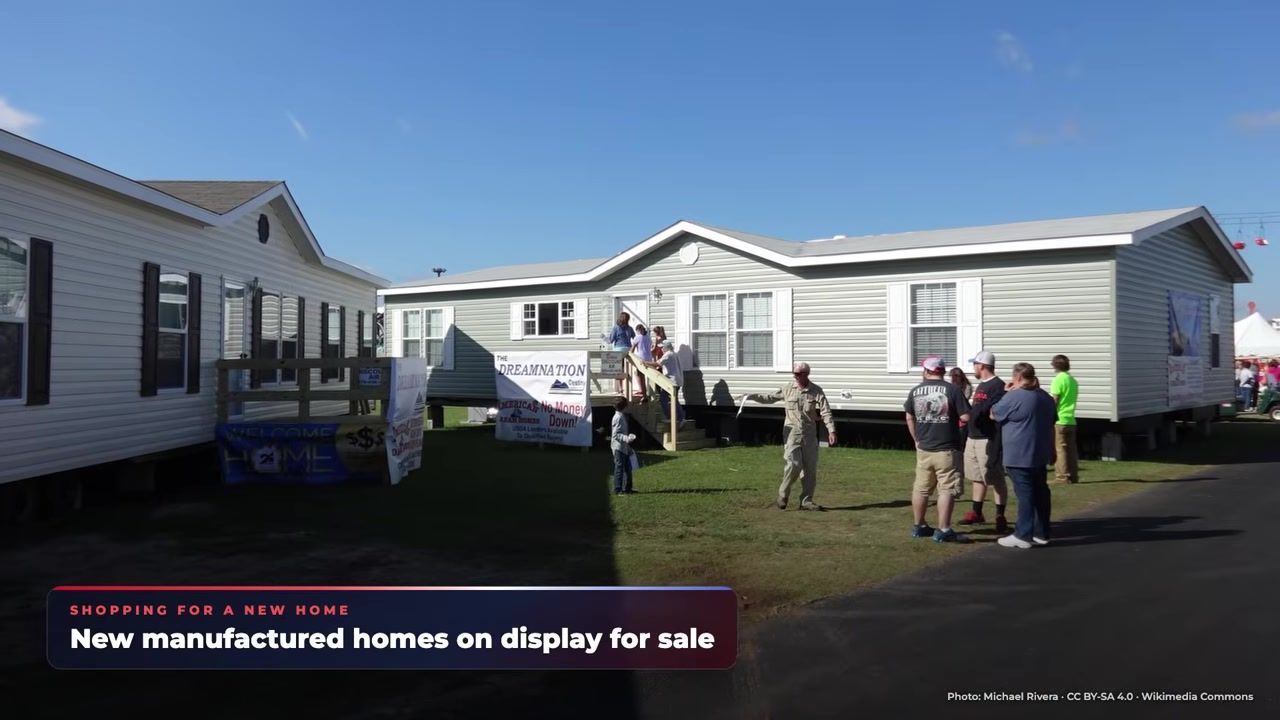
Now we're changing gears. Let's say we're not buying resale. We're walking into a manufactured home dealership, and you see a beautiful four-bedroom double-wide. Big kitchen, kitchen island, walk-in shower, nice cabinets, everything looks great, and the sign says $159,900. Your first thought might be, I can't build a house for that. And you might be right, but before you start comparing that number with a traditional house, I want you to ask: what exactly does that price include?
Because the advertised home price and the total move-in ready cost may be two very different numbers. Does it include delivery, installation, foundation, site preparation, skirting, steps, porches, HVAC, appliances, permits, utility connections? And what about the land? Is that included?
Usually when you're shopping a home-only price, you need to budget separately for the property and site development. Let's say you've already purchased five acres. Great. Do you have water? Do you have electricity? Do you have septic? Does the delivery truck have access? Does the property need clearing? Grading? A driveway? A culvert? Are there deed restrictions? Does the county or local jurisdiction have requirements affecting the installation?
A $159,900 home doesn't necessarily mean you're going to be living on the property for $159,900. That is the distinction. I'm not telling you that manufactured homes are a bad deal. I'm telling you to compare the total installation cost with other housing options.
The land can make or break the deal. I see people do this backwards. They find a piece of land, they buy it, then they start shopping manufactured homes, and only after do they discover there's a restriction or a major site development problem. Maybe manufactured homes aren't allowed under the deed restrictions. Maybe the septic system is going to be more complicated than expected. Maybe the water meter isn't available. Maybe the power is further away than they thought. Maybe the driveway is going to require significant work. Or maybe the home they picked can't physically be delivered to the home site without additional preparation.
Think about that. You're buying a double-wide. That home has to travel down the road, turn into the property, clear the entrance, and reach the installation site. Low branches, narrow access, sharp turns, a steep driveway, those things matter.
Before you buy land, I want to know what home are you planning to put on it. And before you order the home, I want to know that the land actually works. The home, land, financing, and installation need to be planned together, not as four completely separate decisions.
Here's what I want answered when you're buying new:
- What's the actual base price?
- What upgrades are included?
- Does the price include delivery, installation, foundation, site preparation, skirting, steps, porches, HVAC, appliances, permits, utility connections, water, septic, electricity, driveway?
- Who's responsible for each part of the project?
- What warranties are provided by the manufacturer, retailer, and installers?
- Who do you call if something goes wrong?
- What's the expected delivery date?
- What's the actual move-in ready date?
- What is the complete all-in cost to have the home installed, connected to utilities, and ready to occupy?
That's the number I want, not just the advertised price. The advertised price is the starting point, not the finish line. When you're comparing a manufactured home with a traditional site-built house, compare the total cost to move in, not just the home-only price on the sign.
FHA, VA, Conventional, and Home-Only Loans
Let's talk about money, because financing is one of the biggest differences buyers may experience. A modular home that meets the applicable building code requirements and is properly completed as real estate may follow a financing path more similar to traditional site-built housing. A manufactured home can have additional requirements depending on the loan program.
There are different ways to finance manufactured homes. You might be financing the home and land together as real estate, or you might be financing only the manufactured home, particularly when the land is leased. Those are not necessarily the same kind of loan. The terms, lender requirements, down payment, interest rate, and collateral can be different.
For my military families, let's talk about VA loans. Yes, manufactured homes can potentially qualify for VA financing, but that does not mean every manufactured home qualifies. The home, the installation, the legal classification, and lender requirements still matter. Not every lender offers the same manufactured housing programs. Just because you're eligible for a VA loan doesn't automatically mean the housing you're looking at will work.
I also want you to be careful when somebody at a dealership tells you, we have financing. Okay, that's good to know, but I would still compare the terms. What is the interest rate? What is the APR? How much cash do you need? What is the loan term? Are you financing the land and the home together? What are the closing costs? What happens if the installation runs over budget? What does your monthly payment look like once everything is included?
The monthly payment matters more than the price on the sign. Dealership financing might be convenient, but it's not always the best deal. Shop around. Talk to a lender who understands manufactured housing before you commit. Compare the terms, the total cost, and the monthly payment. That's how you make an informed decision.
FHA financing for eligible manufactured housing has specific requirements. The home must meet HUD's Permanent Foundation Guide. The lender may require a foundation certification. The home must be classified as real property. The installation must meet FHA standards. Not every manufactured home qualifies, and not every lender offers FHA manufactured home loans. If you're planning to use FHA financing, involve a lender early in the process.
Conventional financing for manufactured homes also has requirements. The home must be classified as real property. The foundation must meet lender standards. The home must be permanently affixed to the land. The lender may have additional requirements depending on the age, condition, and installation of the home. Again, not every manufactured home qualifies, and not every lender offers conventional manufactured home loans.
Home-only loans are another option, particularly when you're buying a manufactured home that's not classified as real property or when you're placing a home on leased land. These loans may have different terms, higher interest rates, and shorter loan terms than traditional mortgage financing. Understand what you're signing up for before you commit.
What About Resale Value?
This is something I want buyers to think about before purchasing, especially my military families. Let's say you PCS to Fort Cavazos, you buy a manufactured home on five acres, you love it, you've got room for your dogs, you've got a shop, the kids have space, everything is fantastic. Then three years later, the Army says, congratulations, you're going somewhere else. Now what?
Can you sell it? Can you rent it? What does the local real estate market look like? What financing options would your future buyer have? Are there restrictions? What's the condition of the home? What about the land?
I'm not going to tell you that manufactured homes always lose value, and I'm not going to tell you that modular homes always appreciate. Real estate doesn't work that way. The value of the property depends on the market, location, condition, land, financing availability, and what buyers are willing and able to pay.
A manufactured home on desirable acreage may be a completely different resale conversation from a manufactured home sitting on a rented lot. And a modular home in a strong location is not automatically a good investment if you overpay to build it. The lesson is simple: have an exit strategy before you buy it.
Think about the financing your future buyer will need. If the home is classified as personal property, that limits the financing options. If the foundation doesn't meet FHA or VA standards, that limits the buyer pool. If the home has been moved or modified, that can affect the appraisal and financing. If the land has restrictions or access issues, that can affect the value.
Resale value is not just about the home. It's about the whole package: the home, the land, the location, the condition, the financing options, and the market. Before you buy, think about what happens when you need to sell. That's part of the decision.
Which Is Right for You: Manufactured or Modular?
Let's get to the question everybody wants answered. Which one would you buy, manufactured or modular? My answer is: it depends on what you're trying to accomplish.
Let's say you're looking at a manufactured home on five acres. It's affordable, it's in good condition, it's properly installed, the ownership paperwork is correct, your lender can finance it, and the total price fits your budget. That could be a very good option.
Now let's say you're buying land and want a factory-built home that follows the applicable state or local building codes used for site-built construction. A modular home may be worth investigating. But don't automatically assume modular means cheap. You've still got the land, foundation, site work, utilities, transportation, assembly, finishing work, permits, and financing. Depending on the builder and the design, a modular home can be a substantial construction project.
I wouldn't choose based solely on the word manufactured or modular. I'd compare the finished product: what I'm getting, where it's located, what does it cost to complete, how am I financing it, what will it cost to insure and maintain, and what happens if I need to sell it. That's how I'd approach the decision.
Here's a question for you. Let's say you've got $350,000 to spend in Central Texas. Would you rather have a traditional site-built house on a quarter-acre lot, or would you consider a manufactured home on five acres if the total cost was the same? There's no right or wrong answer. It depends on your priorities. Do you want more land? Do you want a traditional neighborhood? Do you want acreage and privacy? Do you care about resale? Do you plan to stay long-term or PCS in a few years?
The answer depends on your situation, your goals, and your priorities. A manufactured home on acreage might be perfect for someone who wants space and affordability. A traditional site-built house in a neighborhood might be perfect for someone who wants walkability and resale flexibility. A modular home might be perfect for someone who wants a factory-built home that follows traditional building codes.
The point is: understand what you're buying, what it costs, how it's financed, and what happens when you need to sell. Don't make assumptions. Ask questions. Involve a lender early. Get the property inspected. Verify the ownership records. Understand the foundation requirements. Plan the land, home, financing, and installation together. That's how you make a smart decision.
Frequently Asked Questions
What's the difference between a manufactured home and a modular home?
A manufactured home is built under the federal HUD Manufactured Housing Code. A modular home is built to state and local building codes similar to site-built homes. Both are constructed in factories, but the construction standards and legal classifications differ. That affects financing, insurance, and resale.
Can I use a VA loan to buy a manufactured home in Central Texas?
Yes, manufactured homes can potentially qualify for VA financing, but not every manufactured home qualifies. The home must meet VA requirements, the foundation must meet lender standards, and the home must be classified as real property. Not every lender offers VA manufactured home loans, so involve a lender who understands manufactured housing early in the process.
What does the advertised price of a manufactured home include?
The advertised price typically covers the home only. It usually does not include land, foundation, delivery, installation, site preparation, septic, water, electricity, driveway, permits, or utility connections. The total move-in cost can be significantly higher than the advertised home-only price. Always ask what's included and what's extra before you commit.
How do I know if a manufactured home is personal property or real property in Texas?
Texas uses a Statement of Ownership administered through the Texas Department of Housing and Community Affairs. Under qualifying circumstances, the owner can elect to treat the manufactured home as real property. That requires a specific filing and recording process. Check the ownership records and verify the legal classification before you buy. The classification affects financing, insurance, and resale.
What should I look for when buying an existing manufactured home?
Verify the ownership records, check for HUD certification labels, inspect the foundation, determine if the home has ever been moved, and get a qualified inspector to evaluate the condition. Also investigate the site: drainage, septic, water source, access, and any additions or modifications. Make sure the home qualifies for the financing you're planning to use.
What happens if the HUD certification labels are missing?
Missing HUD labels can create problems with financing, insurance, and resale. There may be a process to verify the original certification information, but it's something you need to investigate before moving forward. A nice-looking home does not replace proper documentation. Don't assume the problem will go away on its own.
Conclusion
Manufactured homes and modular homes are not the same thing. Both can be built in factories, both can look beautiful, and both can be legitimate housing options. But they're built under different construction standards, and when you're buying a manufactured home, you need to pay attention to the HUD documentation, ownership records, real property classification, foundation, financing, and installation history.
If you're buying new, don't get distracted by the advertised price. Look at the total install cost: land, utilities, septic, foundation, delivery, site preparation, everything. Whether you're buying manufactured, modular, or traditional site-built construction, don't forget the exit strategy. Buying a home isn't just about whether you can afford it today. It's about whether the property fits your life and your future plans.
If you're looking at manufactured homes, modular homes, land, or traditional houses around Killeen, Temple, Belton, Copperas Cove, Kempner, Florence, Salado, or anywhere in Central Texas, call me, text me, or email me. Tell me what you're trying to accomplish. Are you looking for affordability, acreage, a retirement property, a home for your family, or are you trying to get out of town and have a little more privacy? We'll start there. Let's make sure you understand what you're buying before you spend hundreds of thousands of dollars. I'm here to help, call, text or email.

Mathew Dick
Mathew Dick is a trusted real estate professional specializing in buying, selling, and relocating in Central Texas. With a client-focused approach, he ensures a smooth and successful journey for every homebuyer and seller.