From Military Service to Real Estate: Veterans Day Special with Central Texas Realtors
I'm sitting across from two people who understand what it means to rebuild your life after the uniform comes off. Vanessa Pleban joined the Army at 19 in 2005. Luis Venegas signed up at 18 in 2003, right after high school. I did 13 years active duty as an Army infantryman, got out in 2016, and spent the next few years figuring out what the hell I was supposed to do with myself. Today we're talking about the parts of military transition nobody warns you about: the structure you miss, the anger you have to unlearn, the friends who scatter across the country, and the moment you realize your old identity doesn't fit anymore.
This isn't a recruiting pitch or a thank-you-for-your-service montage. It's three veterans who ended up in Central Texas real estate talking about what it actually takes to start over. We cover deployment, therapy, the worst duty stations, the leaders who mattered, and why some of us still can't throw away an MRE. If you're a veteran thinking about real estate, or you're just curious what happens after service ends, this one's for you.
Table of Contents
- Why We Joined the Army
- What the Military Taught Us
- The Hardest Lessons We Learned
- Deployment Changed Everything
- Transitioning Out of the Military
- How Real Estate Became the Next Mission
- Skills That Translated from Military to Real Estate
- Military Habits We Had to Unlearn
- Working with Veterans as a Veteran Realtor
- Do We Miss It?
- Conclusion: What We'd Tell Veterans Considering Real Estate
Why We Joined the Army
Vanessa wanted to join at 17, but her mother wouldn't sign the paperwork. She waited until she was 19 and enlisted in 2005. She wasn't doing much at the time, knew college wasn't in the cards, and the Army sounded like a way forward. She became a 31 Bravo, military police.
Luis joined in 2003, right out of high school. He went from not even considering the Army one day to signing up the next. His parents didn't have much say in it; he was 18 and made the call himself. He became a 68 Whiskey, a combat medic.
I joined at 18 in 2002, already in the delayed entry program during my junior year of high school. I grew up in Scriven, Georgia, where there was nothing going on. My grandfather was in the military, my dad was in the military, and after 9/11 happened, I knew I was going. My mom didn't want me to because of the war, but I asked for forgiveness later. I went 11 Bravo, infantry.
None of us had a backup plan. The Army was the plan.
What the Military Taught Us
Vanessa said the military taught her to keep calm on the outside even when she's losing it on the inside. Before the Army, if someone yelled at her, it was on. She wore her heart on her sleeve. The military changed that. She learned discipline, structure, and how to fire a weapon, something she'd never done before. She also learned gratitude. Deployment made it easier to appreciate what she had back home because she saw people living in filth, in mud-and-wood shacks with dirt floors. It's hard to complain when you've seen that.
Luis said the military taught him trust but verify. As a leader, you trust your soldiers to do something, then you verify they actually did it. He also learned that the moment someone's dead, you verify with another couple of shots. Verification became a big part of how he operates. The hardest lesson for him was learning to be friends with your soldiers one day and their leader the next. You have to negotiate that line without losing either role.
For me, the military taught me that if you're early, you're on time, and if you're on time, you're late. I learned to backwards plan from the end state. I learned that most people outside the military don't care about timelines the way we do, and that became a problem later. I also learned that I could handle a lot more than I thought I could. I've been shot at. Knocking on a door to prospect for real estate clients isn't scary after that.
The Hardest Lessons We Learned
Vanessa's hardest lesson was understanding that there's always 10 minutes before the 10 minutes before the formation. You're expected to know that without being told. Once you're an NCO, you're responsible for making sure all your soldiers show up. She had to track down soldiers off post, wake them up in their homes, and then deal with the fallout when they were late. She was in trouble, her soldier was in trouble, and she had to fix it.
Luis said the hardest thing was learning to be a leader to people who were your friends the day before. You go from being battle buddies to being the person who has to hold them accountable. The expectation is that they listen to everything you say, but you still have to negotiate that relationship without losing the friendship. A lot of times, if they're not great friends, it's easier.
My hardest lesson was my first deployment. I joined the Army at 18, and by September 2003 I was in Iraq. Within a couple weeks of being there, we were in contact. I was a kid. I look at kids now and think, how would you have handled dealing with that? When I came back, I saw everything differently. I appreciated what I had. I'd been sleeping on the floor or on a cot if I was lucky, and everybody was dealing with the same thing. The night my buddy Secret shot himself while we were in Iraq fundamentally changed me. That's all the emotion I have for the day.
Deployment Changed Everything
Vanessa said deployment was easier than being in garrison. Being deployed taught her to be grateful for what she had. She wasn't grateful before, she didn't think about it. But when you're in a place where people are living in piles of trash, in shacks with dirt floors, you realize you don't really have a right to complain about anything.
Luis agreed. His first deployment changed how he thought and how he saw the world. He was 18 when he deployed to Iraq in 2003. He was a kid, technically a young adult, but still a kid. When he came back, he saw everything differently. He appreciated what he had. He'd been living in rough conditions, and when he got home, he realized how much he'd taken for granted. That first deployment also led to his first divorce. He was a completely different person when he came back.
For me, deployment was the moment I realized my life was actually in danger. I remember sitting in my first gun truck as a gunner with my head sticking out and a .50 cal in front of me, thinking, I may not make it. I didn't know. What choice did I have? You just do the job. That's the part civilians don't always understand. It's not a job. It's service. You're 18 years old walking into something you don't know anything about, and you just do it.
Transitioning Out of the Military
Vanessa did 5 years and got out in 2010. She wanted to stay in and go K-9, but they wouldn't let her change her MOS. She started going to school for a bachelor's degree in criminal justice and worked at Old Navy putting away shipment and bartending to pay the bills. That's all she could find. She finished her degree in 2015 and tried to get on with several police departments, but she couldn't land a job. She thinks it's because she had too much experience or because she was a military police officer and they wanted someone they could train from scratch without bad habits. Real estate fell in her lap later when she ran into another agent and became her assistant.
Luis retired after 20 years. Leading up to retirement, he tried to prepare his soldiers to get out, but when it came to his own transition, he could have done a better job. His original plan was to be an amateur golfer. His wife didn't love that. He took about a year off. He'd already gone through real estate school and taken the exams before he retired, but he didn't want to jump right into it. His wife told him to take some time for himself. The bad part was she worked from home and didn't like walking into the living room in the middle of the day to see him on the couch playing Call of Duty, sometimes asleep. She told him he should probably start figuring something else out. So he started getting into real estate and went back to school. Now he's doing both.
I got out after 13 years in 2016. I was just done. My first sergeant knew I was getting out, and he tried to get me to reenlist, but I wasn't doing it. I found all the gray areas in the transition process. I got my company commander to sign a memorandum for my last 45 days on active duty to be in civilian clothes. I got yelled at by sergeant majors and majors, but it wasn't the first time and it wasn't the last. I didn't want to take a year off. I immediately got a job doing insurance part-time while I was going to school. I think there was maybe a 30-day break, but that was it. I also did 3 years in the National Guard after active duty. I started as a warrant officer candidate and quickly realized that wasn't the realm for me, so I went back to being an NCO.
How Real Estate Became the Next Mission
Vanessa never would have chosen real estate. She had her degree in criminal justice and wanted to be a police officer. Real estate fell in her lap when she ran into another agent and became her assistant. Her husband encouraged her to get her license. She was good at it, so she did.
Luis saw how much the realtor made on his house, about 15 grand, and thought, I want that. He didn't understand everything she did at the time. He just thought it was shaking hands and kissing faces. His wife went through a lot during the home-buying process, and there was added pressure because they built. Now that he's in the business, he realizes Amy, his realtor, earned every dollar.
For me, real estate was number 3 on my list of things I wanted to do when I got out. I was selling cars at a dealership, and my brother-in-law Eric knew I was pissed about something. He told me to sit down with Jennifer Bruns and see if she thought I'd be good in real estate. We sat on the back porch for an hour or two, I may have been hungover or slightly buzzed when I showed up, and at the end of it, Jennifer said if I got my license, she'd hire me. I drove down to Round Rock every day for 3 weeks, knocked out all my courses, and got my license in about a month and a half. That was mid-2017. Even then, I didn't know what I wanted to be when I grew up. I thought real estate was just going to be a job I did until I figured it out. Then I started getting active in the military community, working with the local National Guard, and I realized this was the mission.
Skills That Translated from Military to Real Estate
Vanessa said discipline and structure translated directly. Real estate has timelines. Once you sign a contract, things have to happen. She likes working with military clients because they understand backwards planning. She tells them closings are typically 30 days, so we can start looking at 60 days, but at 45 days we really need to be looking, and at 30 days we need to be under contract. At 5 days, the appraisal should be back. Then we close, then funding, and H plus 1 you should be able to start moving in. Military clients get that. Civilians don't always.
Luis said handling objections and doing things he didn't want to do translated. His mindset is, I've been shot at. This ain't nothing. He's not scared of knocking on a door. He was always friends with the cooks, the medics, the supply guy, S1. If you needed something done, he could probably make it happen. That skill set carried over. He also said timelines matter. If timelines aren't met, he's not happy. He'll call, text, and email until he gets feedback. He's called brokers to ask why their agent isn't responding. He doesn't care. He'll leave 13 voicemails and 57 texts if that's what it takes.
For me, the biggest skill that translated was backwards planning. I tell military clients we're going to backwards plan from your report date. That's our end state. We're 60 to 90 days out. They get it. I also learned to verify everything. Trust but verify. I learned that as a private. I also learned that I can handle objections and difficult situations because I've been in worse. The hard part was learning to talk to civilians without being abrasive. I had to unlearn the aggressiveness. I'm still working on it.
Military Habits We Had to Unlearn
Vanessa said she had to come way down from being Type A. She used to be very rigid about everything. She's loosened up, but it's still there. She also had to watch her language. She used to cuss a lot more than she does now.
Luis said aggressiveness was the hardest thing to unlearn. He was very abrasive, very aggressive, very direct. His wife would have to give disclaimers to people because they knew him as Sergeant Venegas. It was just constant intensity. He's gotten better, but it's still a work in progress. He also had to learn to talk to civilians without sounding like he was giving orders.
For me, the hardest thing to unlearn was the aggressiveness. I was still very abrasive 2 years after getting off active duty. Anytime I got a phone call from somebody, Jennifer would follow up and say, he didn't mean it that way. I understand how it sounded, but he didn't mean it that way. That was probably one of the hardest things for me, figuring out how to talk to people without making them feel like I was attacking them. The other one was cussing. I've toned it way down. One of the MRT trainers I worked with said she'd never heard anybody say fuck 7 times in one sentence. She said it was an art. I've worked on it.
Working with Veterans as a Veteran Realtor
Vanessa said being a veteran makes it easier to work with veterans and active duty. The military community is very small. Generally, you meet somebody and you were either stationed in a similar location or you know certain units. You can talk the same language. There's instant trust. It's just like when we all met, we didn't know each other before, but there was an immediate connection.
Luis agreed. We speak the same language. The challenge is when you have military spouses who've never actually done the job. They know just enough to be dangerous. That can be frustrating. But for veterans who served, it's way easier. You understand the process, the timelines, the stress of PCSing, the VA loan, the whole thing.
For me, working with veterans is easier because we speak the same language. I can say, we're going to backwards plan from your report date, and they get it. I don't have to explain it. I also understand the stress of moving, the uncertainty of orders, the timeline pressure. I've been there. The hard part is when you run into military spouses who market themselves as military experts but have never served. They know just enough to be dangerous, and that irritates me. But veterans who served? We're on the same page from day one.
Do We Miss It?
Vanessa said sometimes. She misses the people more than the job. Almost all her friends from the military are not around here anymore. She's horrible about keeping in touch, but she misses them.
Luis said no, but yes. He came to a realization that the Army only wants you while you're giving the Army what it wants. The moment he said he was going to retire, they treated him like a waste of space. They wanted to send him somewhere else so they could get a replacement. He misses the people, but he doesn't miss the politics. As he got higher in rank, it became more and more political. He was very anti-bureaucracy, and that didn't go over well. He misses the boys, though. He misses the mission when it was about the boys and not the politics.
I don't miss it, but I miss the people. I miss the mission when it was about the boys. I don't miss the politics. As I got up there in rank, it became more and more political. I was very big on, let's just go train instead of sitting behind a desk typing out a training calendar. I shouldn't have to justify taking my guys to the wood line to train on movement techniques or radio procedures. I miss the boys. I miss the medics, the cooks, the supply guy. I was always friends with the soft skill MOSs because I could make things happen. But do I miss the Army? No. I miss the people.
Conclusion: What We'd Tell Veterans Considering Real Estate
If you're a veteran thinking about real estate, here's what I'd tell you: the skills you learned in the military translate better than you think. Discipline, structure, backwards planning, handling objections, working under pressure, all of that carries over. The hard part is unlearning the aggressiveness and learning to talk to civilians without sounding like you're giving orders. You'll also have to get comfortable with the lack of structure. There's no formation, no counseling, no quarterly evaluation. You have to create your own structure, and that's harder than it sounds.
Real estate is a good fit for veterans because we understand timelines, we know how to problem-solve, and we don't quit when things get hard. We've been through worse. The challenge is learning to market yourself, learning to talk to people who don't speak your language, and learning to be patient with a process that doesn't move as fast as you want it to.
If you're in Central Texas and you're thinking about making the move, reach out. I work with a lot of military families, and I get it. I've been where you are. I know what it's like to transition out, to feel lost, to wonder what the hell you're supposed to do next. Real estate gave me a mission again. It might do the same for you.
Let's talk. I'm happy to walk you through what the process looks like, what the market's doing, and how to set yourself up for success. You can find me at Military Living in Central Texas, or just shoot me a message. I'm here to help.
FAQ
Is real estate a good career for veterans?
Yes. The skills you learned in the military, discipline, structure, problem-solving, handling pressure, translate directly to real estate. The hard part is unlearning the aggressiveness and learning to talk to civilians without sounding like you're giving orders. You'll also have to create your own structure because there's no formation or counseling in real estate.
Do veterans have an advantage in real estate?
I think we do, especially in a military town like Killeen or Temple. We understand timelines, we know how to backwards plan, and we don't quit when things get hard. The challenge is learning to market yourself and learning to be patient with a process that doesn't move as fast as you want it to.
What's the hardest part of transitioning from military to real estate?
The lack of structure. In the military, you know what you're supposed to do and when you're supposed to do it. In real estate, you have to create your own structure. You also have to unlearn the aggressiveness and learn to talk to people who don't speak your language. That takes time.
Do you recommend working with a veteran realtor?
If you're a veteran or active duty, yes. A veteran realtor understands the process, the timelines, the stress of PCSing, and the VA loan. There's instant trust because we speak the same language. We've been where you are.
What do you miss most about the military?
The people. The mission when it was about the boys and not the politics. The structure. The sense of purpose. I don't miss the bureaucracy or the politics, but I miss the camaraderie.
What's the best advice you'd give a veteran getting out?
Start preparing early. Don't wait until your last year to figure out what you're going to do. Use your transition assistance program. Go to therapy if you need it. Find a mission that matters to you. Real estate worked for me because it gave me a mission again. Find what works for you.
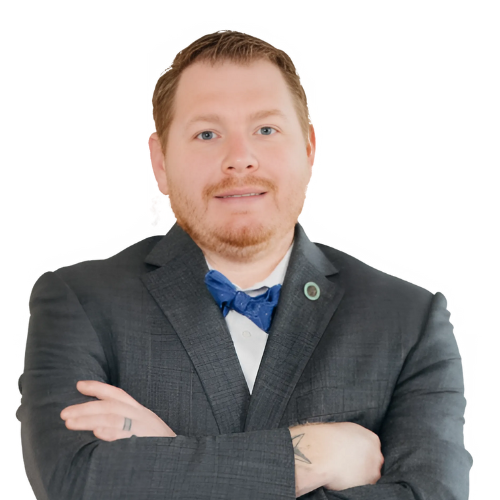
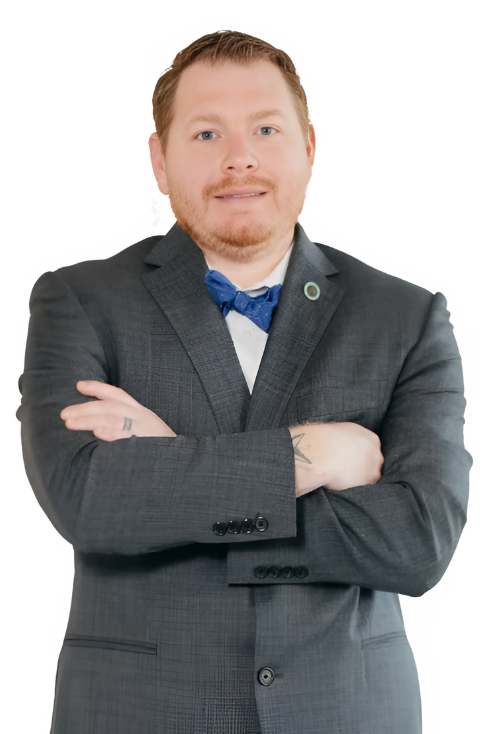
Mathew Dick
Mathew Dick is a trusted real estate professional specializing in buying, selling, and relocating in Central Texas. With a client-focused approach, he ensures a smooth and successful journey for every homebuyer and seller.