5 Central Texas Towns I'd Bet On For The Next 10 Years
I spent 13 years on active duty as an Army infantryman before settling in Central Texas. I've watched this region change. I've helped military families relocate here. I've seen what happens when a town gets discovered and what happens when the hype runs ahead of the fundamentals.
If I had to pick 5 Central Texas towns today and bet on where the biggest changes are going to happen over the next 10 years, these are the 5 I would choose. Not because somebody told me they're up and coming. Not because they're trendy on social media. I'm talking about places where major employers, billions of dollars of investments, new infrastructure, population growth, technology, healthcare, housing demand, and access to some of the fastest growing parts of Texas are converging.
This does not mean I'm telling you to run out and buy a house in every town on this list. Real estate is local. Timing matters. Neighborhoods matter. Prices matter. What I'm giving you is where I see the next wave of growth actually going. Because once everybody agrees that a town has arrived, a lot of the opportunity is already priced in. I want to look one step earlier. Where are the jobs going? Where is the infrastructure going? Where are companies spending real money? Where are families moving? And where can people still find relative value?
I've ranked these 5 towns based on diversification, investment momentum, and what I think creates the strongest 10-year outlook. Some of these picks are aggressive. Some are safer bets. All of them have a real growth story behind them.
Table of Contents
- Waco: Layering Growth on an Existing Economy
- Belton: Quality of Life Next to Employment Growth
- Hutto: Pure Growth Potential in a Technology Corridor
- Taylor: A Semiconductor Ecosystem Taking Shape
- Temple: The Most Diversified Growth Story in Central Texas
- Why Georgetown Didn't Make the Top Five
- What to Consider Before You Buy
Waco: Layering Growth on an Existing Economy
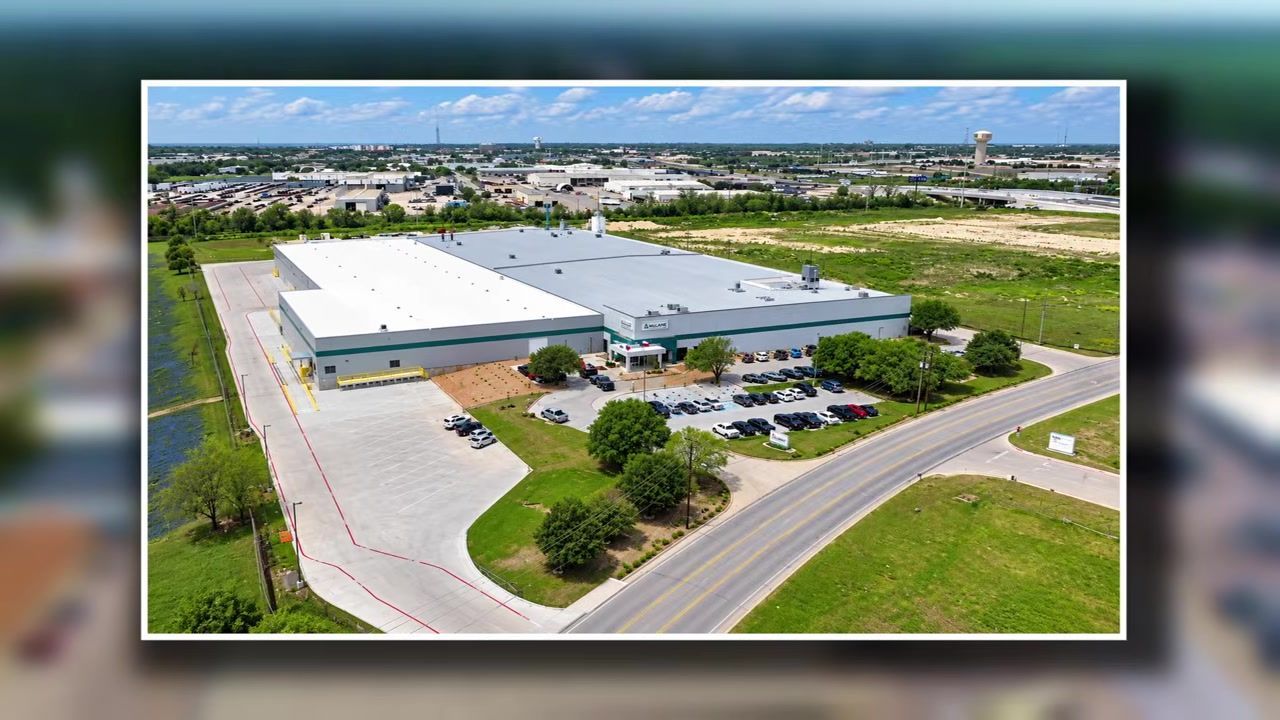
Waco makes this list for a really simple reason. It already has an economy. It already has a university. It already has tourism. It already has manufacturing and distribution. And now it's layering additional growth on top of that. That's very different from betting on a town where everything depends on one future project.
Waco is already a regional center. You've got Baylor University, healthcare, manufacturing, logistics, tourism, downtown redevelopment, and a location directly on I-35 between Dallas-Fort Worth and Austin. That positioning matters. Companies looking for alternatives to major Texas metros need a place that's big enough to support operations but still more affordable than Austin or Dallas. Waco fits that profile.
Here's why I think Waco is interesting over the next 10 years. It's big enough to attract serious investment, but it is still dramatically smaller and generally more affordable than Austin or Dallas. That gives companies and residents room to move. If more people keep looking for alternatives to major Texas metros, Waco is positioned really well. And then there's the data center conversation. Waco is positioned for data center development, which adds another layer of infrastructure and technology investment on top of an economy that already works.
I'm not saying Waco is going to become Austin. I'm saying Waco already has diversification. It doesn't need one employer to succeed. It doesn't need one project to pan out. It has a university anchoring education and research. It has healthcare. It has distribution. It has tourism. And now it's adding technology and data infrastructure. That's a bet I'd take.
The risk with Waco is that it's further from Austin than some of the other towns on this list. If you're commuting into Austin Metro, Waco doesn't work. But if you're working in Waco, or you're looking for a regional center that offers more affordability and quality of life than the major metros, Waco is worth watching.
Belton: Quality of Life Next to Employment Growth
Belton is different from every other town on this list because my argument here isn't there's a giant factory coming. Belton's strength is quality of life combined with geography. You've got Temple immediately next door. Fort Hood to the west. I-35 access. Lake Belton and Stillhouse Lake. Nolan Creek. Historic downtown Belton. Belton ISD. And a community that has worked very hard to preserve a distinct identity while the surrounding region grows.
The city's long-range planning has projected continued population growth. Its strategic plan specifically talks about housing mobility, infill development, and maintaining Belton's quality of life as the community expands. That's important because one of the risks with fast-growing Central Texas towns is that they become generic. Belton still feels like Belton. And for residential real estate, that matters.
Families moving from out of state don't only ask me where are the jobs. They ask where do I actually want to raise my kids. Where do I want to spend my weekends. Where can I get to work but still feel like I live somewhere. That's where Belton does well. If Temple keeps adding employment and investment, Belton can benefit without needing every major project inside city limits. It's basically sitting next to a growing employment center while maintaining its own lifestyle identity.
Belton has Lake Belton and Stillhouse Lake for recreation. It has a historic downtown that still has character. It has Nolan Creek running through town. It has Belton ISD, which families ask about. And it has proximity to Temple's healthcare economy and Fort Hood's military-connected workforce without being in the middle of either one. That positioning creates demand.
The risk: affordability. Belton isn't the cheapest part of Bell County. If demand continues to increase and housing supply doesn't keep pace, affordability becomes a bigger issue. But over 10 years, I would still bet on Belton remaining one of the most desirable residential markets in this part of Central Texas. It's not the flashiest pick on this list. It's not the one with the billion-dollar semiconductor plant. But it's the one where people actually want to live. And that's a different kind of growth story.
Hutto: Pure Growth Potential in a Technology Corridor
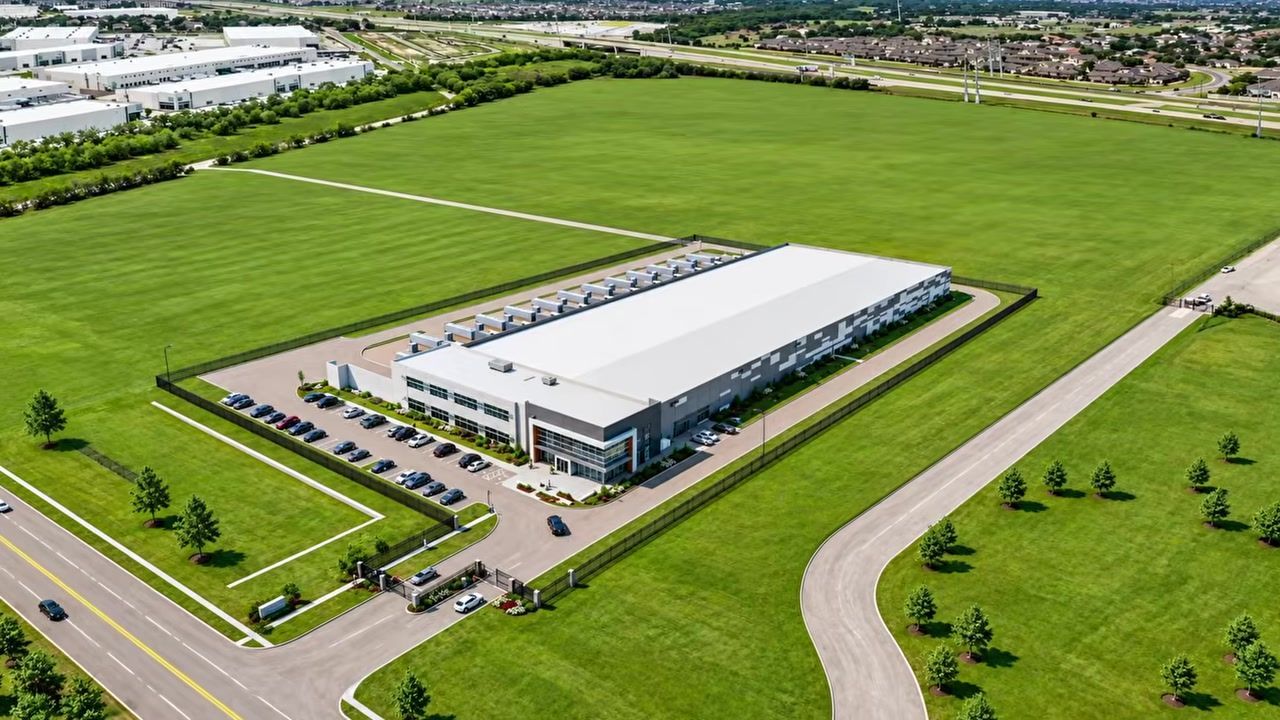
Hutto is where the list starts getting aggressive. If you haven't paid attention to Hutto lately, you probably still think it's a small town northeast of Austin. That's not what's happening anymore. Hutto is sitting in the middle of a massive technology and industrial growth corridor. You've got Taylor nearby with Samsung. Massive data center developments. Residential growth. Industrial parks. And access into Austin Metro without actually being in Austin.
That's why I look at Hutto and think this place could look completely different in 10 years. The growth happening around Hutto isn't incremental. It's transformational. When you have a semiconductor ecosystem developing in Taylor, data centers going up across the region, and residential demand spilling out from Austin, Hutto is directly in the path of that expansion.
But here's where I'd be careful. Rapid growth can be a double-edged sword. Traffic gets worse. Roads have to catch up. Schools have to expand. Infrastructure gets stressed. And housing prices can run ahead of fundamentals. So if you're buying in Hutto, I wouldn't buy because somebody told you Hutto is exploding. I'd buy because the specific neighborhood, price, commute, and long-term plan makes sense.
Hutto is not a safe bet. It's a growth bet. If the technology corridor continues to develop the way it's trending, Hutto could see massive appreciation over the next decade. But if infrastructure can't keep up, or if one of the major projects changes direction, you could end up owning in a place that grew too fast for its own good. That's the trade-off.
If we're talking pure growth potential, Hutto absolutely belongs on this list. But I'd rather see you buy the right property in Hutto than buy anything in Hutto just because it's on this list. Know what you're buying. Know what the commute looks like. Know what the schools are doing to handle enrollment. Know what the roads look like during rush hour. And then decide if the growth story makes sense for your situation.
Taylor: A Semiconductor Ecosystem Taking Shape
Taylor might actually be the most fascinating town on this entire list because what is happening there is not normal small town growth. Samsung changed its trajectory. We're talking about a massive semiconductor ecosystem developing around Taylor. And once a project like that arrives, other companies start asking how do we get close to it. That's exactly what we're seeing.
Solbrain announced a new US manufacturing facility and headquarters in Taylor representing more than $120 million in capital investments. The University of Texas is establishing a Taylor Center on 68 acres near Samsung's semiconductor campus with a focus on supporting the semiconductor workforce and ecosystem. The data center agreement in Taylor has been tied to expansions of more than $1 billion in capital expenditures over 10 years. And iMarket America broke ground on the first phase of a technology park expected to reach roughly 2.2 million square feet at full build-out.
That's not one project. That's an ecosystem. Manufacturing. Semiconductors. Education. Data infrastructure. Suppliers. Technology. And Taylor is still only about 30 miles from Austin according to its Economic Development Corporation. That proximity to Austin combined with the Samsung anchor creates a completely different growth trajectory than what most small Texas towns experience.
That's why Taylor is my number 2. But there is a very important warning. When a town gets this much attention, speculation comes with it. Land prices move. Developers pile in. Investors start buying based on future expectations. And not every development ends up being a winner. So I'd rather own a good property in a strong location than make a bad purchase simply because it says Taylor, Texas on the address.
I also want to be clear about what I mean by ecosystem. Samsung isn't just building a factory. They're building a campus that requires suppliers, contractors, engineers, technicians, support services, housing, schools, and infrastructure. The University of Texas establishing a Taylor Center near the Samsung campus is a signal that this is being treated as a long-term workforce development project, not just a construction phase. That's the kind of investment that changes a town permanently.
Still, 10-year horizon, Taylor is one of the places I'd absolutely keep my eye on. Taylor may grow faster percentage-wise than any other town on this list. But faster growth also means more risk. If you're buying in Taylor, backwards plan from your exit strategy. Know what you're buying. Know what the property is worth today, not what somebody tells you it will be worth in five years. And make sure the fundamentals make sense even if the hype slows down.
Temple: The Most Diversified Growth Story in Central Texas
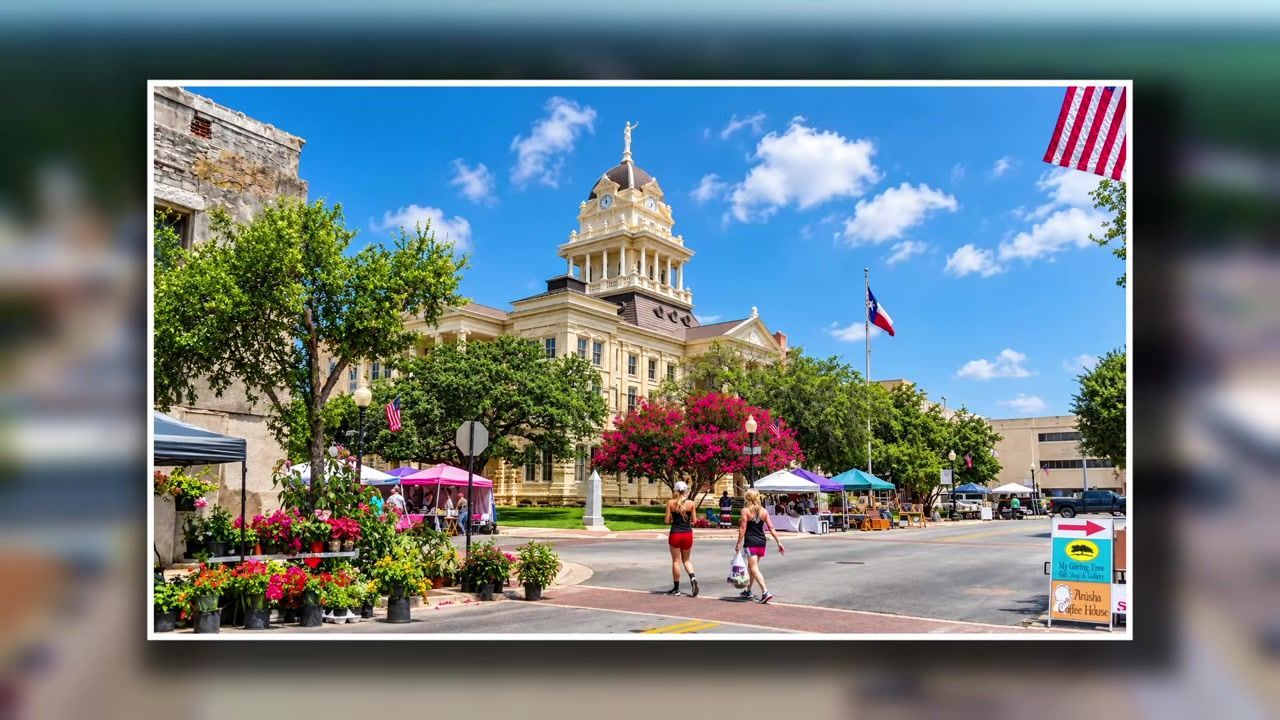
The number 1 Central Texas town I'd bet on for the next 10 years is Temple . I'm sure some people expected Taylor. And Taylor may grow faster percentage-wise. But Temple gets my number 1 spot because its growth story is more diversified. This isn't one employer. Temple already has a major healthcare economy. Baylor Scott & White. Scott Logistics. Manufacturing. Distribution. Rail. I-35. Education. Military-connected workforce. And now technology and data centers are being added on top.
Temple's Economic Development Corporation says that the city saw a roughly 26% population increase from 2014 to 2024 and more than $3.5 billion in private investments from 2008 through 2024. It also highlights more than $366 million in quality of life improvements underway. That's before you even start layering in the newer technology investments. Temple is also positioned between Austin and Dallas with direct I-35 access and access to a huge Central Texas workforce.
Healthcare remains one of the biggest reasons I like Temple. Baylor Scott & White anchors the medical economy. That's not going anywhere. Healthcare doesn't move. It doesn't shut down when one project changes direction. It's a permanent anchor. Temple is also home to a major employer in logistics and manufacturing, including McLane's and others. Then you've got the data center growth that adds another industry entirely.
That's why Temple gets my number 1 spot. It doesn't need one project to succeed. That's what I like. If technology slows down, healthcare is still there. If one data center project changes, logistics is still there. Manufacturing is still there. I-35 is still there. The medical community is still there. That's diversification. And for somebody thinking long-term about buying in Central Texas, that matters more than hype.
I've helped military families relocate to Temple for years. I've watched the city add infrastructure. I've watched employers expand. I've watched neighborhoods develop. And what I've seen is a city that doesn't depend on one thing going right. It has multiple industries. It has multiple employers. It has multiple reasons for people to move there. That's the strongest 10-year bet I can make.
Temple also benefits from proximity to Fort Hood, which is now Fort Cavazos. That military connection creates a steady flow of buyers, renters, and buyers who need housing. It creates demand for services. It creates a workforce that understands logistics, operations, and infrastructure. And it creates a real estate market that doesn't collapse when one employer leaves, because the military isn't leaving.
If you're relocating to Central Texas and you're trying to figure out where to buy, Temple should be on your list. Not because it's the cheapest. Not because it's the trendiest. But because it's the most diversified. And over 10 years, diversification wins.
Why Georgetown Didn't Make the Top Five
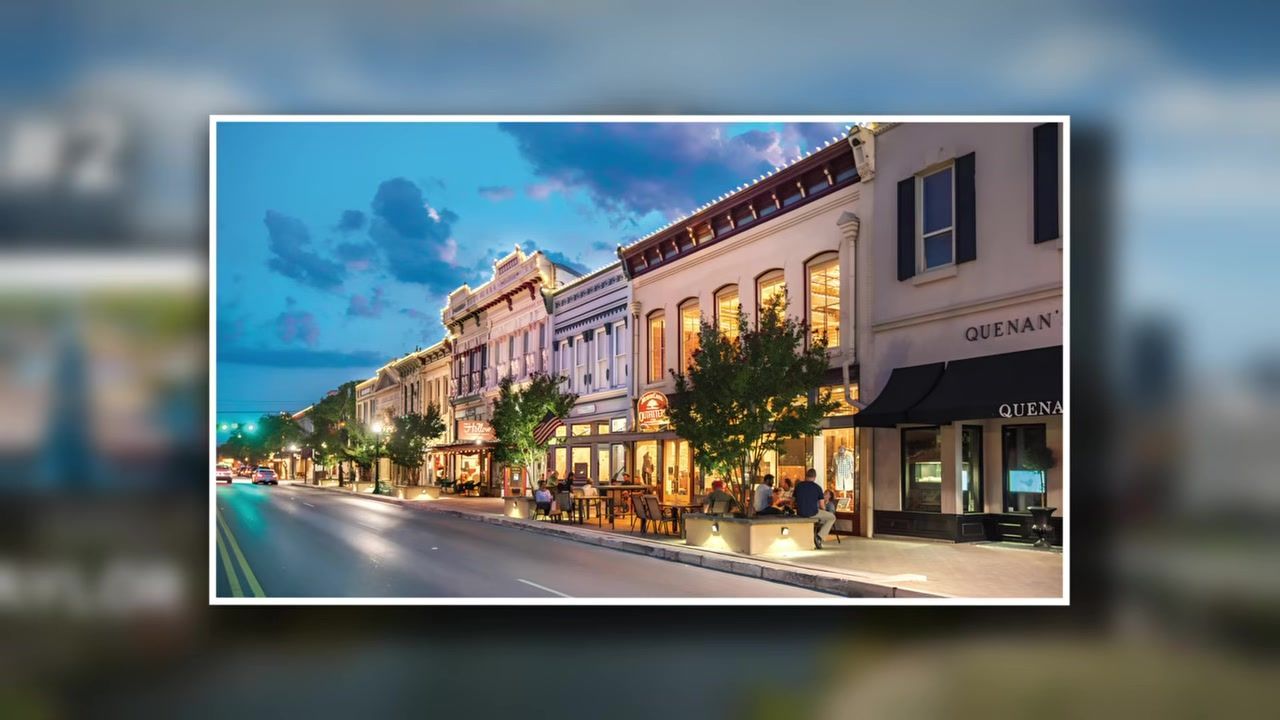
I know somebody is already typing what about Georgetown. Georgetown is absolutely one of the strongest communities in Central Texas. But here's why I didn't put them on the top 5. Georgetown has already experienced a tremendous amount of growth and price appreciation. In other words, a lot of people already know. That doesn't mean I think Georgetown is done growing. I don't. It's still positioned extremely well along I-35 north of Austin.
But this list is more about where I think the next decade creates an interesting change in trajectory. For that reason, I'm giving the edge to places like Taylor, Hutto, Temple, and Belton. Georgetown is a known quantity. It's a strong market. It's a desirable place to live. But the opportunity to buy before the growth happens has already passed for most buyers. That's not a criticism. That's just timing.
If you're buying in Georgetown today, you're buying in a mature, established, high-demand market. That's a different investment thesis than buying in a place where the next 10 years could look completely different from the last 10 years. Both strategies can work. But this list is focused on where I see the next wave of change happening.
What to Consider Before You Buy
Before you buy anything based on this video, I want to make one point very clear. Population growth does not automatically equal a good investment. A billion-dollar project does not automatically equal a good investment. A data center does not automatically make the house next door appreciate. A town growing quickly doesn't mean every neighborhood will perform equally.
You still need to understand purchase price, taxes, insurance, rental potential, school zoning, infrastructure, supply, exit strategy, and what you're actually buying. I'd rather buy the right home in my number 5 town than the wrong home in my number 1 town every single time. That's not a hedge. That's how real estate works.
I've seen people buy in the wrong neighborhood of the right town and lose money. I've seen people buy at the wrong price in a growing market and still not break even when they sell. I've seen people buy based on hype and then realize the commute doesn't work, the schools aren't what they thought, or the property needs more work than they budgeted for. Growth doesn't fix a bad purchase.
So if you're thinking about buying in any of these towns, backwards plan from your end state. What do you need this property to do? How long are you planning to stay? What's your exit strategy? What's your budget for taxes, insurance, and maintenance? What does the commute look like? What are the schools doing? What's the neighborhood like? What's the resale potential? Answer those questions first. Then decide if the growth story makes sense for your situation.
And if you're relocating to Central Texas, PCSing to Fort Hood, or buying your first home in this region, that's part of what we help you figure out. You don't have to know exactly which town you want yet. That's part of the process. Call me. Text me. Email me. All my contact information is in the description. Let's talk about what you're trying to accomplish and which of these towns actually makes sense for your situation.
FAQ
Which Central Texas town has the best long-term investment potential?
Temple gets my number 1 spot because it has the most diversified growth story. It doesn't depend on one employer or one project. Healthcare, logistics, manufacturing, military-connected workforce, and now technology are all layering on top of each other. That diversification matters more than hype over a 10-year horizon.
Is Taylor a better investment than Temple?
Taylor may grow faster percentage-wise because of Samsung and the semiconductor ecosystem developing there. But faster growth also means more risk. Temple's diversification makes it a safer long-term bet. I'd rather own the right property in Temple than the wrong property in Taylor.
Why didn't Georgetown make the top 5?
Georgetown has already experienced tremendous growth and price appreciation. A lot of people already know. This list focuses on where the next decade creates an interesting change in trajectory. Georgetown is still a strong market, but the opportunity to buy before the growth happens has already passed for most buyers.
Should I buy in Hutto or Belton?
That depends on what you're trying to accomplish. Hutto is a growth bet with higher risk and higher potential upside. Belton is a quality-of-life bet with more stability and less speculation. If you're buying for lifestyle and long-term stability, Belton. If you're buying for growth potential and you understand the risks, Hutto.
What makes Waco a good 10-year bet?
Waco already has a diversified economy. University, healthcare, manufacturing, logistics, tourism, and downtown redevelopment are all in place. Now it's layering additional growth on top of that. It's big enough to attract serious investment but still more affordable than Austin or Dallas. That positioning matters.
How do I know if a Central Texas town is right for me?
Backwards plan from your end state. What do you need this property to do? How long are you staying? What's your commute? What are the schools? What's your budget for taxes and insurance? What's your exit strategy? Answer those questions first. Then decide if the growth story makes sense for your situation. If you're relocating to Central Texas, let's talk. All my contact information is in the description.

Mathew Dick
Mathew Dick is a trusted real estate professional specializing in buying, selling, and relocating in Central Texas. With a client-focused approach, he ensures a smooth and successful journey for every homebuyer and seller.