
Data Centers Are Taking Over Central Texas: What It Means for Home Buyers and Residents
Data Centers Are Taking Over Central Texas: What It Means for Home Buyers and Residents
Drive through Temple or Waco today and you might notice something unusual: massive construction sites, power line upgrades, and talk of projects measured in hundreds of acres and billions of dollars. Central Texas is becoming one of the country's biggest data center hotspots, with tech companies pouring investment into communities from Lake Whitney to Hutto. This isn't Austin spilling over, this is a distinct infrastructure wave hitting smaller cities that suddenly find themselves at the center of the AI and cloud computing boom.
If you're relocating to Central Texas or already live here, you're probably wondering what a $10 billion data center means for your daily life. Will it bring jobs and lower your property taxes, or will it strain the power grid and drive up housing costs? I've spent over a decade in this region, and I'm watching this transformation closely. The projects are real, the timelines vary, and the impacts will differ depending on where you live. Some developments are already operational, others are under construction, and a few remain proposals that could still change or fall through.
This isn't a simple good-or-bad story. Data centers bring economic growth, tax revenue, and infrastructure investment, but they also raise questions about electricity capacity, water use, traffic, and whether the jobs they create will match what local residents need. Let's break down the major projects across the region and what they mean for anyone thinking about buying, selling, or settling in Central Texas.
Table of Contents
- Major Data Center Projects in Temple, TX
- Waco's Proposed $10B Data Center
- Data Center Growth From Lake Whitney to Hutto
- Data Centers Expanding in Taylor, Georgetown & Round Rock
- Data Center Controversy in San Marcos & Caldwell County
- Why Data Centers Are Coming to Central Texas
- Jobs, Economic Growth & the Data Center Boom
- Will Data Centers Impact Central Texas Housing?
- What Data Centers Mean for Central Texas Real Estate
Major Data Center Projects in Temple, TX
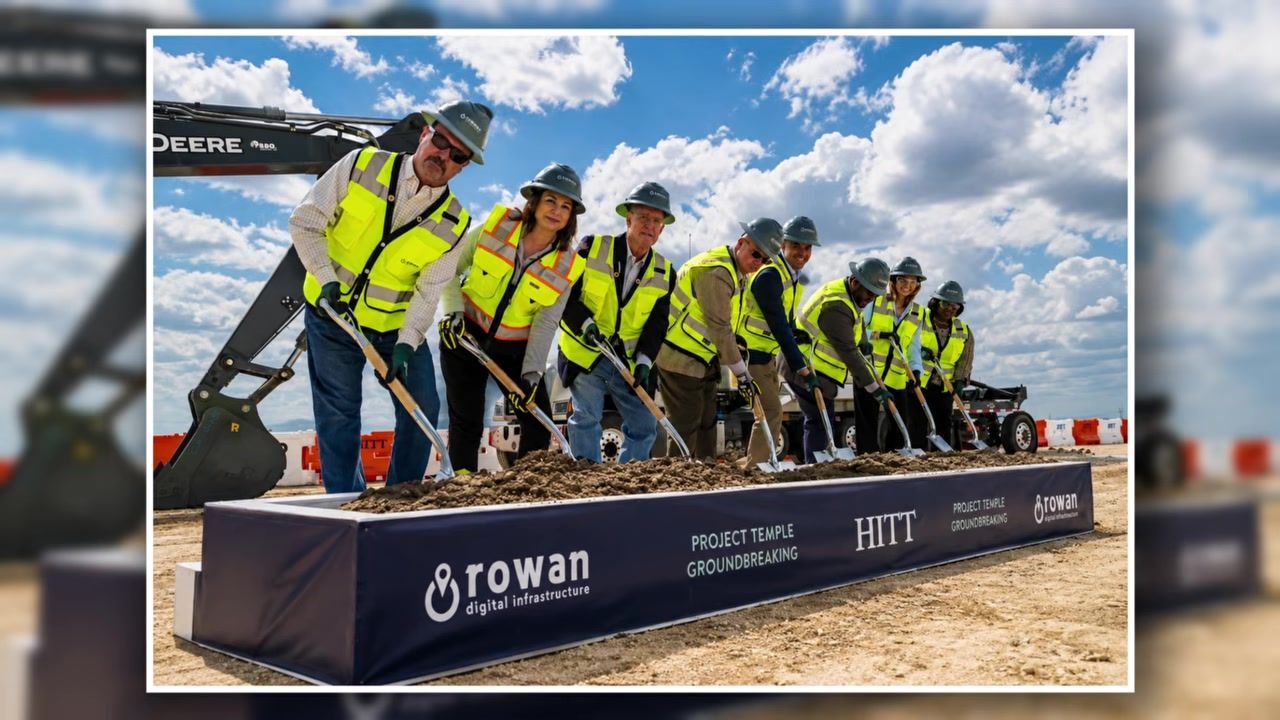
Temple is seeing some of the most concentrated data center activity in the region, with multiple projects at various stages of development. These aren't small server rooms, we're talking about facilities that consume hundreds of megawatts of power and occupy hundreds of acres. Some are already operational, others are under construction, and a few remain in the planning phase.
The scale of investment here is significant. When a company commits to a data center in Temple, they're betting on the city's infrastructure, power availability, and proximity to major fiber networks. Temple sits along Interstate 35, halfway between Austin and Dallas-Fort Worth, which makes it attractive for companies that need reliable connectivity and redundancy. The city has been actively courting these projects, offering incentives and working with utility providers to ensure the grid can handle the load.
What does this mean if you're buying a home in Temple? The immediate impact is economic. Data centers bring construction jobs during the build-out phase, and once operational, they generate substantial property tax revenue. That revenue can fund schools, roads, and public services without raising rates on residents. The trade-off is that data centers don't employ as many people as traditional manufacturing or distribution centers. A facility that costs billions to build might only employ a few dozen full-time workers once it's running.
The other consideration is infrastructure. Power demand from data centers can strain the grid, especially during Texas summers when air conditioning and cooling systems are running at full capacity. Temple's utility providers are upgrading capacity, but it's worth asking whether those upgrades will keep pace with demand. If you're looking at homes near these sites, pay attention to road construction, power line work, and any planned infrastructure improvements that might affect your commute or property access.
Waco's Proposed $10B Data Center
Waco is in the running for what could be one of the largest data center projects in the state: a proposed $10 billion facility. This is still in the proposal stage, which means it's not a done deal. Projects of this size require extensive permitting, utility agreements, and community input before they break ground. But if it moves forward, it would represent a massive shift for Waco's economy and real estate market.
A $10 billion investment would make this one of the largest single economic development projects in Central Texas history. The construction phase alone would bring an influx of workers, equipment, and support services. Once operational, the facility would generate significant tax revenue for the city and school district. Waco has been working to diversify its economy beyond Baylor University and healthcare, and a project like this would accelerate that shift.
The concerns are similar to what Temple is facing: power, water, and infrastructure. Data centers require enormous amounts of electricity to run servers and cooling systems. They also need reliable water supplies for cooling, which can be a sensitive issue in a state that experiences periodic droughts. Waco's utility providers would need to demonstrate they can meet that demand without compromising service to residents and existing businesses.
For home buyers, the question is timing. If the project moves forward, you might see increased demand for housing as construction workers and new employees look for places to live. That could drive up prices in the short term, especially for rentals and entry-level homes. On the flip side, if the project stalls or gets canceled, the market could cool quickly. I always tell buyers to focus on the fundamentals, location, schools, commute, and treat economic development projects as a potential bonus, not the sole reason to buy.
Data Center Growth From Lake Whitney to Hutto
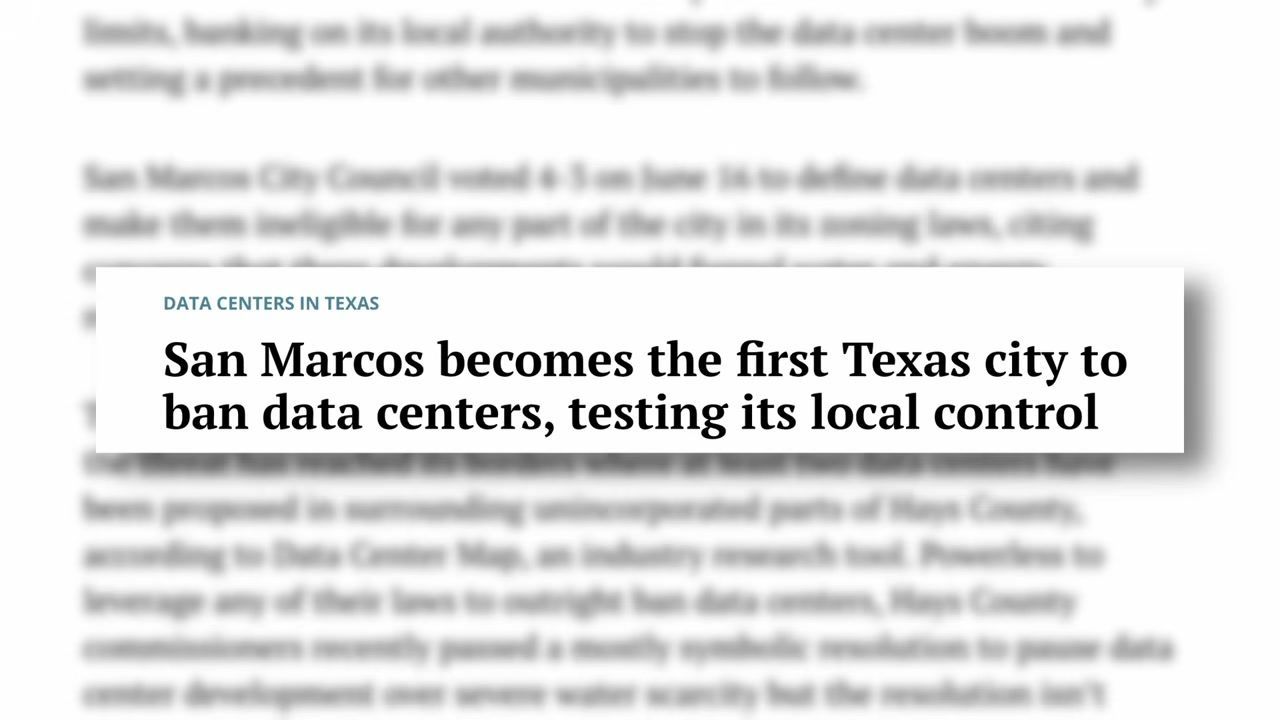
The data center boom isn't limited to Temple and Waco. Communities from Lake Whitney to Hutto are seeing proposals and construction, creating a corridor of tech infrastructure across Central Texas. Each project brings its own set of opportunities and challenges, depending on the size of the community and its existing infrastructure.
Lake Whitney, a smaller community known for its lake and outdoor recreation, represents one end of the spectrum. A data center here would be a major economic event for a town that doesn't have a large industrial base. The tax revenue could be transformative, but the community would also need to manage the impact on its rural character and utility systems.
Hutto, on the other hand, is already experiencing rapid growth as part of the Austin metro expansion. Data centers here are part of a broader wave of commercial and residential development. Hutto has been adding schools, roads, and retail to keep up with population growth, and data centers fit into that larger infrastructure buildout. The challenge is ensuring that growth doesn't outpace the city's ability to provide services.
For buyers looking along this corridor, the key is understanding what stage each project is in. Operational facilities have already made their impact, you can see the tax revenue, the infrastructure upgrades, and the employment numbers. Proposed projects are speculative. They might happen, or they might not. Don't buy a home based solely on a press release about a future data center. Buy because the location, price, and community fit your needs today.
Data Centers Expanding in Taylor, Georgetown & Round Rock
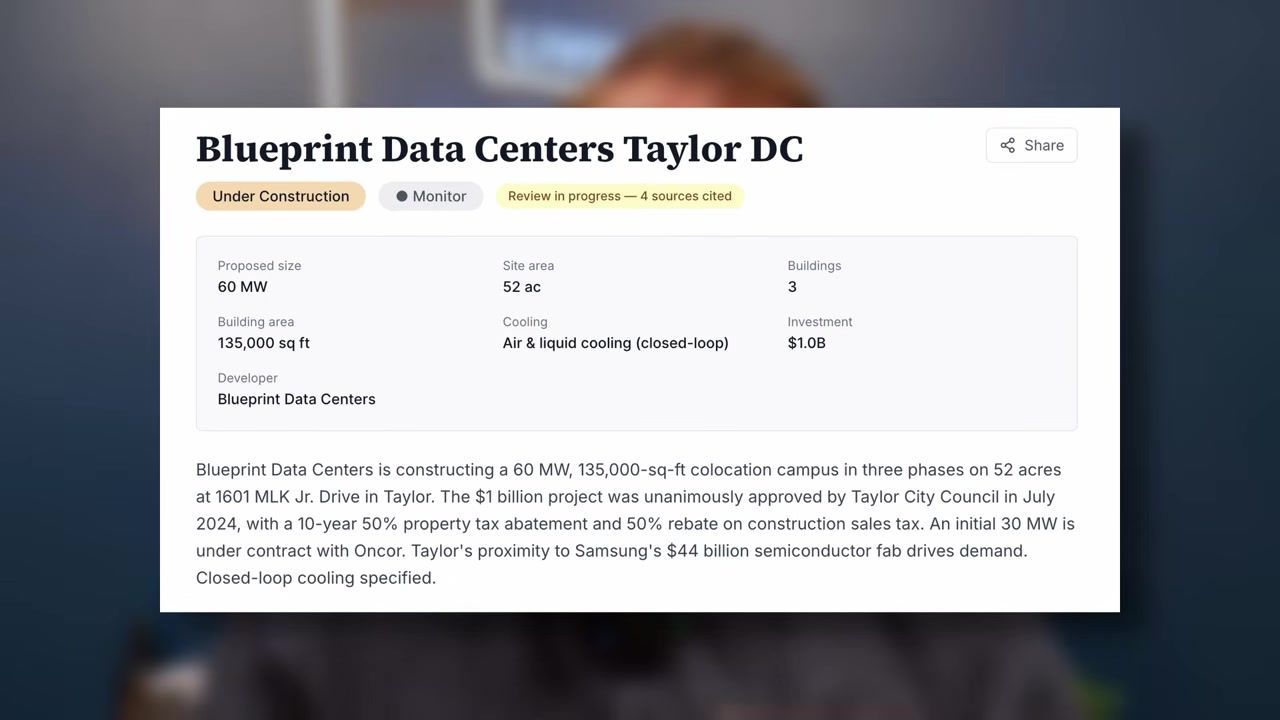
Taylor, Georgetown, and Round Rock are seeing significant data center expansion, driven by their proximity to Austin and their access to power and fiber infrastructure. These cities are further along in the development process than some of the smaller communities, with multiple facilities already operational or under construction.
Taylor has positioned itself as a tech hub, attracting not just data centers but also advanced manufacturing. The city has invested in infrastructure to support large-scale industrial projects, including water, power, and transportation improvements. For buyers, Taylor offers a more affordable entry point than Georgetown or Round Rock, with the trade-off being a longer commute to Austin and fewer amenities.
Georgetown has a more established residential market, with a mix of historic downtown charm and newer master-planned communities. Data centers here are part of the city's economic development strategy, but they're balanced against Georgetown's identity as a desirable place to live. The city has been careful to site industrial projects away from residential areas, which helps maintain property values and quality of life.
Round Rock is the most developed of the three, with a strong commercial base that includes Dell Technologies and other major employers. Data centers here are less of a novelty and more of an extension of the city's existing tech infrastructure. For buyers, Round Rock offers the most amenities and the shortest commute to Austin, but also the highest home prices in this group.
The common thread across all three cities is infrastructure investment. Data centers require upgraded power lines, roads, and utility systems, and those improvements benefit everyone. If you're buying in one of these cities, ask about planned infrastructure projects and how they might affect your neighborhood. A new substation or road widening could improve your commute, or it could bring construction noise for the next two years.
Data Center Controversy in San Marcos & Caldwell County
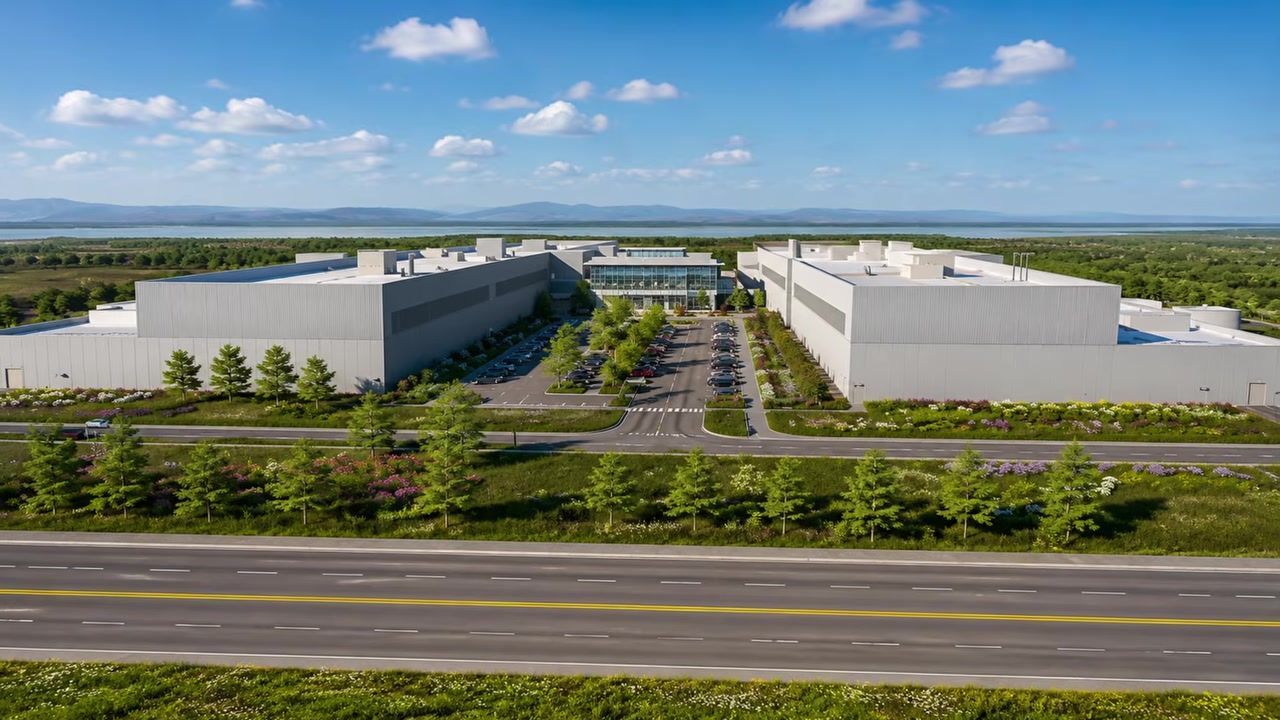
Not every community is embracing data centers with open arms. San Marcos and Caldwell County have seen controversy around proposed projects, with residents raising concerns about environmental impact, utility costs, and whether the economic benefits justify the trade-offs.
The debate often centers on water and power. Data centers consume massive amounts of both, and in areas where those resources are already stretched, adding a major industrial user can be contentious. Residents worry that their utility bills will go up to subsidize infrastructure upgrades, or that the data center will get priority during shortages. Those are legitimate concerns, especially in a state where the power grid has faced scrutiny after winter storms and summer heat waves.
There's also a question of fit. San Marcos has a strong identity tied to Texas State University, the San Marcos River, and its role as a gateway to the Hill Country. A massive industrial facility doesn't necessarily align with that image, even if it brings tax revenue. Caldwell County is more rural, and some residents prefer to keep it that way rather than invite large-scale development.
For buyers, controversy around a proposed project is a yellow flag, not a red one. It means the project isn't a sure thing, and you should factor that uncertainty into your decision. If you're buying because you think a data center will boost property values, make sure you're also comfortable with the home and neighborhood if the project never happens.
Why Data Centers Are Coming to Central Texas
Central Texas has become a magnet for data centers because it offers a combination of factors that tech companies need: available land, relatively affordable power, access to fiber networks, and proximity to major markets. The region sits between Austin's tech ecosystem and Dallas-Fort Worth's corporate base, with Interstate 35 and Interstate 10 providing connectivity to the rest of the state and beyond.
Power availability is a major draw. Texas has its own electric grid, and while that's been a source of controversy, it also gives the state flexibility in how it manages industrial power users. Central Texas has access to multiple power sources, including natural gas, wind, and solar, which helps data centers meet their energy needs and sustainability goals.
Fiber infrastructure is another key factor. Data centers need high-speed, low-latency connections to move massive amounts of data. Central Texas has invested in fiber networks over the past decade, making it easier for companies to build facilities here without starting from scratch on connectivity.
Finally, there's the business climate. Texas has no state income tax, relatively light regulation, and a track record of working with companies on incentives and permitting. For a company deciding where to invest billions of dollars, those factors matter. Central Texas offers the infrastructure and the political environment that makes large-scale projects feasible.
Jobs, Economic Growth & the Data Center Boom
The economic impact of data centers is more nuanced than the headlines suggest. Yes, these projects bring billions in investment and generate substantial tax revenue. But the job creation is often more modest than people expect, especially once construction is complete.
During the construction phase, data centers create hundreds of jobs: electricians, concrete workers, HVAC specialists, and project managers. That work can last two to three years for a large facility, providing a significant boost to the local economy. Contractors, hotels, and restaurants all benefit from the influx of workers.
Once operational, however, data centers are highly automated. A facility that cost $1 billion to build might only employ 30 to 50 full-time workers. Those are good jobs, well-paid, technical positions, but they don't create the same employment ripple effect as a manufacturing plant or distribution center. The real economic benefit comes from property tax revenue, which funds schools and public services without requiring a large workforce.
For the broader economy, data centers signal that Central Texas is a serious player in tech infrastructure. That can attract other companies and investments, creating a virtuous cycle of growth. The risk is that communities become too dependent on a single industry, or that the infrastructure investments don't translate into opportunities for existing residents.
Will Data Centers Impact Central Texas Housing?
The short answer is yes, but the impact varies by community and project. In smaller cities like Temple or Taylor, a major data center can shift the housing market by bringing in construction workers and new employees. That increased demand can drive up prices, especially for rentals and starter homes. In larger cities like Round Rock or Georgetown, the impact is more diffuse because the housing market is already driven by multiple factors.
The construction phase creates the most immediate housing pressure. Workers need places to stay, and if the local rental market is tight, that can push up rents and occupancy rates. Once construction is complete, that pressure eases unless the data center attracts other businesses and residents to the area.
Long-term, the housing impact depends on whether data centers catalyze broader economic growth. If they attract other tech companies, suppliers, and service providers, you could see sustained demand for housing. If they remain isolated facilities with minimal local employment, the impact fades once construction is done.
For buyers, the key is to focus on fundamentals. Buy in a neighborhood you'd want to live in regardless of the data center. Look at schools, commute times, amenities, and resale potential. If the data center boosts property values, that's a bonus. If it doesn't, you're still in a home that meets your needs.
What Data Centers Mean for Central Texas Real Estate
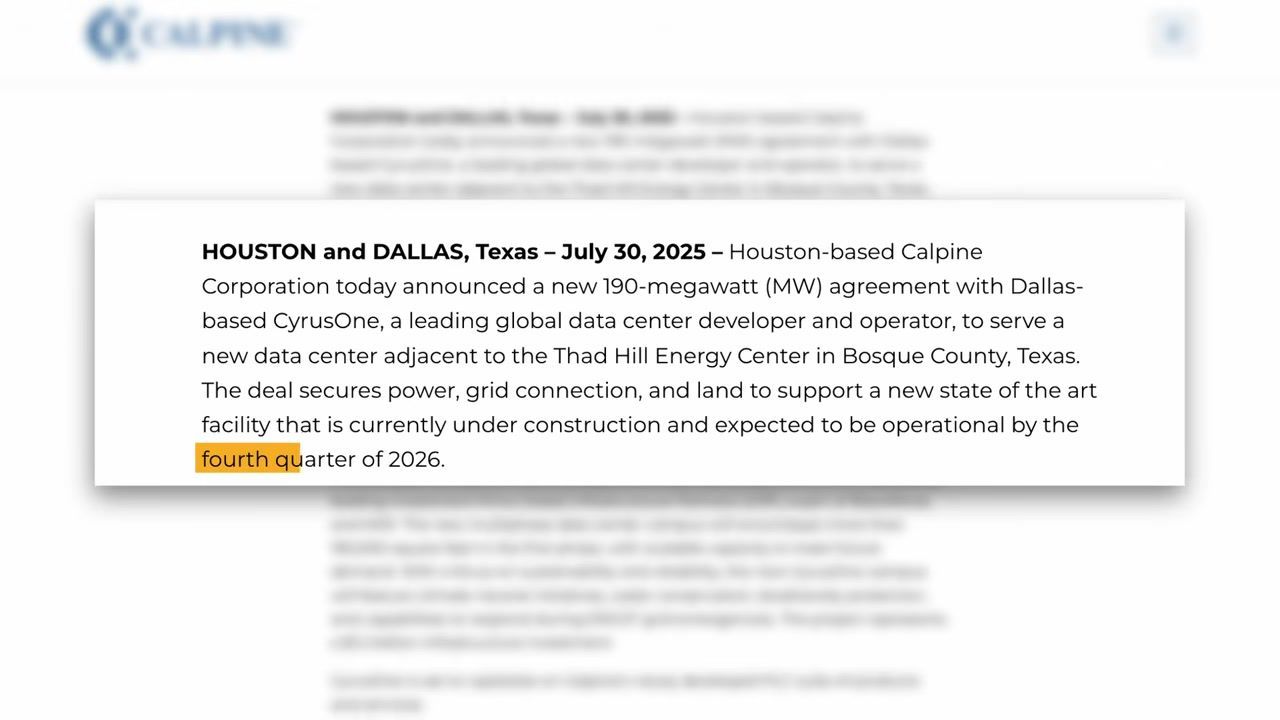
Data centers are reshaping Central Texas, but they're not the only factor driving the real estate market. Population growth, remote work, and the expansion of the Austin metro area all play a role. Data centers add another layer to that story, bringing infrastructure investment and economic development that can benefit homeowners and communities.
The biggest winners are likely to be homeowners in cities that successfully integrate data centers into their broader economic strategy. If a city uses the tax revenue to improve schools, roads, and public services, property values should benefit. If the infrastructure can't keep up, or if the projects create more problems than they solve, the impact could be neutral or even negative.
For buyers relocating to Central Texas, data centers are one factor to consider, not the deciding factor. Ask about planned projects, infrastructure upgrades, and how the city is managing growth. Talk to neighbors and local officials about their concerns and priorities. And remember that proposed projects can change or fall through, so don't base your entire decision on a press release.
I've been helping people relocate to Central Texas for over a decade, and I've seen how quickly this region can change. Data centers are the latest chapter in that story, and they're bringing real investment and real questions. If you're thinking about moving here or buying a home, let's talk about what these projects mean for the specific neighborhoods and communities you're considering. I can walk you through the current market, the infrastructure plans, and the trade-offs that come with living in a region that's growing this fast.
FAQ: Data Centers and Central Texas Real Estate
Will data centers increase my property taxes in Central Texas?
Data centers generate significant property tax revenue, which can actually reduce the burden on residential homeowners. The facilities pay taxes based on their assessed value, and that revenue goes to the city, county, and school district. In many cases, this additional revenue allows local governments to fund services without raising rates on residents. However, if the data center requires major infrastructure upgrades, new roads, power lines, or water systems, those costs might be passed on to taxpayers in the short term.
Do data centers create a lot of jobs in Central Texas?
Data centers create substantial jobs during construction, often employing hundreds of workers over two to three years. Once operational, however, they require relatively few full-time employees, typically 30 to 50 people for a large facility. These are well-paid, technical positions, but the overall employment impact is smaller than traditional manufacturing or distribution centers. The broader economic benefit comes from tax revenue and the signal that Central Texas is a viable location for tech infrastructure.
Will data centers affect the power grid in my area?
Data centers consume enormous amounts of electricity, which can strain local power grids if the infrastructure isn't upgraded. Utility providers in Central Texas are working to expand capacity, but it's a valid concern, especially during peak demand periods in summer. If you're buying a home near a data center, ask about planned power infrastructure improvements and whether the utility has committed to maintaining reliable service for residential customers.
Are data centers good or bad for Central Texas real estate?
It depends on the community and how well the project is managed. Data centers bring tax revenue, infrastructure investment, and economic development, which can boost property values and improve public services. The trade-offs include increased demand on utilities, potential traffic during construction, and questions about long-term employment benefits. The impact varies by city, what works for Temple might not work for San Marcos. The key is understanding the specific project and how it fits into the community's broader growth strategy.
Should I buy a home near a data center in Central Texas?
Buy a home because it meets your needs today, not because of a proposed data center. If the project is already operational, you can see the actual impact on traffic, infrastructure, and property values. If it's still proposed, treat it as speculative. Focus on location, schools, commute, and resale potential. If the data center boosts your property value, that's a bonus. If it doesn't materialize or creates challenges, you're still in a home that works for your situation.
How do I find out about data center projects near a home I'm considering?
Ask your real estate agent, check with the city's economic development office, and review local news coverage. Proposed projects usually require public hearings and city council approval, so there's a paper trail. I track these developments as part of helping clients relocate to Central Texas, and I can walk you through what's planned, what's under construction, and what's already operational in any area you're considering.

Mathew Dick
Mathew Dick is a trusted real estate professional specializing in buying, selling, and relocating in Central Texas. With a client-focused approach, he ensures a smooth and successful journey for every homebuyer and seller.