From Agent to Investor: Building Wealth and Impact Through Real Estate
Real estate has a funny way of rewarding the people who are willing to adapt faster than everyone else.
That has been one of the biggest themes of our journey. We can spend years thinking we know exactly what lane we are supposed to stay in, and then the market changes, the rules change, or life changes. Suddenly the thing we thought would carry us forever is gone, and we have to build again.
That is not always bad news.
Sometimes that is exactly where the biggest opportunities show up.
Table of Contents
- How a Career in Construction Led to Real Estate
- The 2005 Real Estate Boom and the 2008 Housing Crash
- Why New Real Estate Agents Have an Advantage
- Moving from California to Texas and Starting Over
- Building a Real Estate Community That Lasts
- What Real Estate Agents Should Focus on Today
- How AI Is Changing the Real Estate Industry
- Real Estate Investment Lessons From Costly Mistakes
- Using Social Media to Build Real Estate Relationships
- FAQs About Real Estate Success and Growth
How a Career in Construction Led to Real Estate
For a lot of us, real estate does not start with a license. It starts earlier.
It starts on job sites, around people building things, fixing things, estimating things, and figuring out how to keep a business moving. Growing up around construction gave us an early education in how real estate actually works from the ground up. We got to see business ownership up close, not as some polished idea, but as a daily grind.
That kind of background shapes the way we think. We do not just look at homes as listings. We look at systems, margins, operations, timelines, risk, and value.
At first, the dream might not even be real estate sales or investing. Sometimes it is architecture. Sometimes it is development. Sometimes it is just wanting to be the one calling the shots.
That early curiosity matters because it creates the habit that drives everything later: asking better questions.
The 2005 Real Estate Boom and the 2008 Housing Crash
Graduating into the housing boom of 2005 was like getting the worst possible lesson about how easy business could be.
Everything worked. Homes were selling before they were finished. Builders were moving fast. Money looked easy. Demand felt endless. If we only saw that season, we could easily believe success was mostly about showing up.
Then the crash came and exposed how fragile that assumption was.
Foreclosures hit hard. Neighborhoods that had homes selling for around $750,000 suddenly had properties moving closer to $250,000. Builders, banks, and operators all got thrown into a situation nobody really knew how to handle.
In California, it became a stretch where home building nearly froze. For anyone who had built their identity around being a builder or developer, it felt like the entire career path vanished overnight.
That is the part people forget when they talk about real estate cycles. A cycle is not just pricing. A cycle can erase a business model.
And when that happens, the question is simple.
Do we freeze, or do we learn the new game faster than everyone else?
Why New Real Estate Agents Have an Advantage
One of the biggest edges in a changing market is being too new to know what we are supposed to be afraid of.
That sounds reckless, but it is often true.
When foreclosure auctions started becoming the opportunity, most experienced people were too anchored to how things used to work. They knew the old market. They knew the old margins. They knew the old patterns.
What they did not know was how to move fast in a broken market.
That created a window.
By reading foreclosure documents, showing up where almost nobody was bidding, and learning a process most people ignored, it became possible to build at scale. That led to buying houses at auction, fixing them, reselling them, and eventually operating one of the largest brokerages by volume in Northern California.
The lesson was not just about foreclosures. It was bigger than that.
- New markets reward fresh eyes.
- Shifting markets punish rigid thinking.
- People with no expectations often move faster than people with long histories.
We see the same thing today. In slower markets, newer agents can outperform experienced ones because they are not constantly comparing today to easier years. They just go to work.
Moving from California to Texas and Starting Over
Success rarely moves in a straight line.
After flipping roughly a thousand houses in California between 2009 and 2012, it looked like the momentum would keep going. Then institutional capital showed up in a big way. Large players began using a very similar strategy at a scale that changed the landscape fast.
That is another brutal real estate truth. We are not just competing with other operators. Sometimes we are competing with waves of capital.
When those waves hit, confidence can disappear quickly.
The shift to Texas came through a mix of pain, curiosity, and one random clue. An apartment opportunity in Killeen had already put Texas on the radar because the cash flow looked incredible. Later, another property on the edge of foreclosure sparked the thought: maybe there is opportunity here too.
The first trip did not go perfectly. Cold feet showed up at the auction. No bid got made. Confidence felt gone.
But then something important happened. While sitting there frustrated, other houses started selling cheaply, and it became obvious there was real opportunity in that market.
That is one of those moments that changes everything. Not because a deal closed that day, but because the pattern became visible.
The next trip was different. The process was tighter. The preparation was better. Two houses got bought, one sold within weeks, and suddenly the feeling was back.
I am back.
Sometimes we do not need a whole new life plan. We just need one win that reminds us we still know how to execute.
Building a Real Estate Community That Lasts
Another major shift came from paying attention to where the real value was being created.
In the early foreclosure days, one of the smartest people in the room was not necessarily the one buying houses. It was the one selling the data. That realization led to acquisitions in the real estate software and subscription space, including foreclosure data businesses and tools built around lead generation and market intelligence.
Then came Real Estate Rockstars.
The original plan was not to become the host. The plan was to own the business. But after trying other hosts and seeing which episodes connected the most, it became obvious that the best move was to step behind the mic.
That change opened another lane entirely.
The podcast turned into a place for conversations with active real estate people doing real work. Not polished gurus. Not people selling theory. Operators.
Then COVID changed everything again.
At first, it hurt. Audio downloads dropped. Subscription members cut expenses. But the strange upside was access. Suddenly, people who had always felt out of reach were sitting at home and available for real conversations. That created a run of high level interviews and helped the brand evolve.
Eventually, that energy turned into an in person event.
The idea was simple: do the podcast in real life.
Bring together high producers, new agents, creative thinkers, operators, marketers, and people who actually want to help one another. Keep the room intentionally small enough that everyone can meet everyone. Make it broker agnostic. Mix experience levels on purpose.
That is where the real magic happens.
In rooms like that, the newest person can have the best idea. The person with no volume can leave and build a huge year. The top producer can openly say, "What do you want to know?" and mean it.
That is rare in real estate.
What makes a community like that work is not hype. It is authenticity.
- People help each other without guarding every detail.
- Competitors can still become friends.
- Relationships continue long after the event is over.
- Support shows up in real life, not just in business.
That kind of network can change a career, but more importantly, it can change a life.
What Real Estate Agents Should Focus on Today
If we are newer in the business, or even a few years in and feeling stuck, the answer is not to chase one magic script or one magic lead source.
The better answer is to test more and learn faster.
There are too many ways to generate business for us to assume someone else’s favorite strategy should automatically be ours.
Some people love cold calling. They finish the day energized. Others feel drained after 20 calls. Some people are built for open houses. Some are great on camera. Some are excellent at door knocking. Some are incredible with short form content and can build a pipeline from TikTok or Instagram.
We should try a lot of things before deciding what fits us best.
A strong early strategy looks something like this:
- Test multiple lead sources. Cold calling, social media, open houses, texting, referrals, door knocking, content, all of it.
- Pay attention to energy. Which activities make us feel more alive, not less?
- Stay diversified. Even when one channel works, we should not rely on only one.
- Find mentors. Good mentorship shortens the learning curve on contracts, negotiations, and decision making.
- Build accountability. This matters almost more than strategy. If we say we are doing open houses, someone should ask whether we actually did them.
- Commit long enough to know. Too many people quit right before momentum starts.
That last one matters more than most people think.
Some agents get their first deal in 30 days. Others take several months. Both outcomes are normal. The danger is quitting in month six when month seven might have been the breakthrough.
Real estate is still one of the most incredible businesses in the world, but it rewards consistency, not dabbling.
How AI Is Changing the Real Estate Industry
AI is one of the most exciting things happening in our industry right now, and most people still are not using it deeply enough.
There are simple uses, moderate uses, and then there is the really wild stuff.
Easy wins with AI
Start with practical tasks:
- Contract analysis
- Reviewing repair requests
- Breaking down negotiation options
- Estimating likely repair costs
- Drafting messaging and follow up
We can upload a contract, explain the issue, and ask for the strict legal take plus several ways to respond. We can upload inspection and repair items and ask which ones are essential, which ones are negotiable, and which ones are rarely worth asking for.
That alone can save time and sharpen thinking.
AI as a second version of us
The bigger idea is this: for the first time, we can create something that acts like a second version of our brain.
That is what makes this so powerful.
If we have ever said, "I wish there were two of me," AI is the closest thing we have had to making that real.
Automation and CRM setup
A few years ago, setting up a proper CRM meant hiring specialists, building workflows, creating follow up sequences, segmenting clients, and manually wiring together a lot of moving pieces.
Now AI can help design that whole system and, in some cases, actually build it.
That means we can ask for:
- Lead categories
- Email workflows
- Text follow up sequences
- Nurture campaigns
- Event follow up
- Client touch plans
And instead of only getting ideas, we can get the actual implementation plan.
AI support for customer communication
One of the strongest examples is customer chat and text handling. By training AI on years of existing conversations, we can create systems that answer routine questions automatically and escalate only the unusual ones.
That frees up hours every day.
Not because people become less important, but because people should not spend the whole day answering the same repeat questions if software can handle them correctly.
The real takeaway
The biggest mistake is thinking AI is only for writing captions or polishing emails.
It is much more than that.
We should be asking it every day:
- Can this process be simpler?
- Can this be centralized?
- Can this be automated?
- What am I forgetting?
- How would you build this system for me?
The people who learn to use these tools well are going to have a massive edge.
Real Estate Investment Lessons From Costly Mistakes
Not every deal is a win. Some are expensive reminders.
The worst investments usually do not happen because we do not know anything. They happen because we ignore what we already know.
That can show up in a few ways:
- Buying from ego
- Trusting operators to behave the way we would
- Stretching outside our lane without enough margin
- Bending our rules because we are impatient
That last one is huge.
Every investor needs a buy box. We need clear rules before emotion enters the room.
Maybe that means:
- Only buying a specific property type
- Only buying in a certain price band
- Only buying where the exit is obvious
- Only buying when numbers hit a defined threshold
Then the hard part is actually honoring those rules.
Because the moment we break them once and it works, we start believing our guardrails were optional. That is where big losses usually begin.
Some of the painful examples in investing come from things that looked impossible to lose on. Cheap houses, value add apartments, bulk property purchases. On paper, they seem safe. In practice, deferred maintenance, bad tenant profiles, poor locations, operational drag, and time can eat alive what looked like a bargain.
Good investing is not just buying cheap.
Good investing is buying what fits our lane and our system.
Using Social Media to Build Real Estate Relationships
Social media is still wildly underrated by people who only see it as a place to post polished business content.
Used well, it can create business, raise capital, attract opportunities, and build real friendships.
That last part surprises people the most.
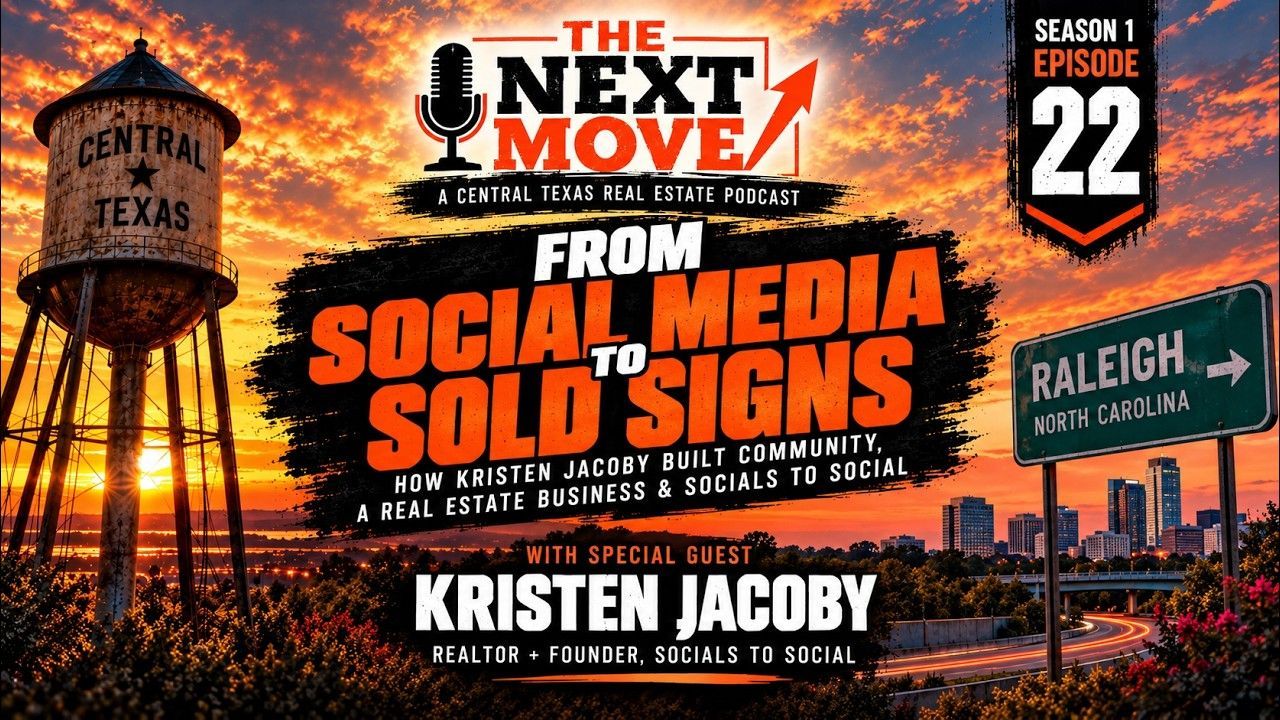
But when we consistently show who we are, what we care about, and what we are building, we attract people with similar energy. Sometimes that becomes a client. Sometimes it becomes a business partner. Sometimes it becomes a true friend.
There is a reason opportunities keep showing up from social media. The platform is not the point. The authenticity is.
That same openness can lead to strange and cool moments too. One day we are posting online like usual. The next day a major media outlet is calling because they found our work and want our opinion.
That is how leverage works now.
When we put in the reps publicly, doors open privately.
Whether you're just getting started in real estate, looking to grow your business, or ready to make your next investment, having the right guidance can make all the difference. If you're thinking about buying, selling, investing, or simply want to talk through your goals, we're here to help.
Call or text us today at 253-820-7327 to start the conversation. We'd love to help you build your next chapter in real estate.
FAQs About Real Estate Success and Growth
What is the biggest lesson from shifting from agent work to investing?
Adaptability wins. Markets change, strategies stop working, and opportunities move. The people who keep learning and adjust faster than everyone else tend to come out ahead.
Why do newer agents sometimes perform better in a difficult market?
Because they are not anchored to easier conditions. They often work harder, test more aggressively, and do not carry old expectations about how simple the business should feel.
What should a new real estate agent focus on first?
Try several lead generation methods, find out which one fits your energy and strengths, get mentorship, and stay accountable long enough to build momentum. Consistency matters more than chasing the perfect tactic.
How can AI help real estate agents right now?
AI can help review contracts, analyze repair requests, draft responses, build CRM workflows, automate customer communication, and simplify repetitive tasks. The best use is treating it like an extra version of your brain.
What causes the worst real estate investments?
Most bad deals come from stepping outside a proven lane, letting ego drive decisions, trusting the wrong operators, or bending pre set investment rules because of impatience.
What makes a real estate community actually valuable?
A valuable community is honest, generous, and small enough for real relationships to form. It is not just about networking. It is about having people who will help, challenge, support, and stay connected long after the event ends.
At the end of all of this, the real story is not just about flipping houses, buying companies, launching podcasts, or learning AI.
It is about staying in motion.
We build. We lose. We rebuild. We meet the right people. We test new tools. We sharpen our lane. We keep going.
That is how wealth gets built in real estate.
And if we do it right, impact gets built right alongside it.
Read More: Protect What Matters: Insurance Strategies for Homeowners and Investors
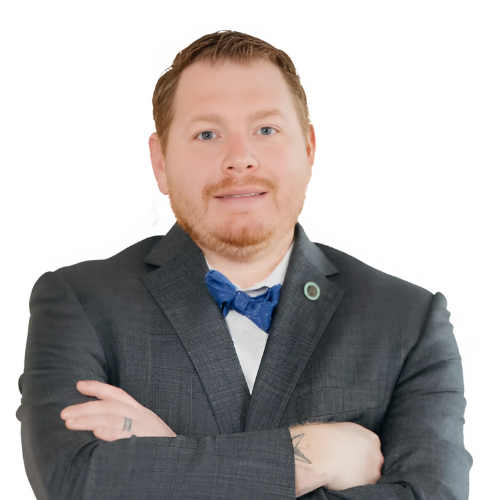
Mathew Dick
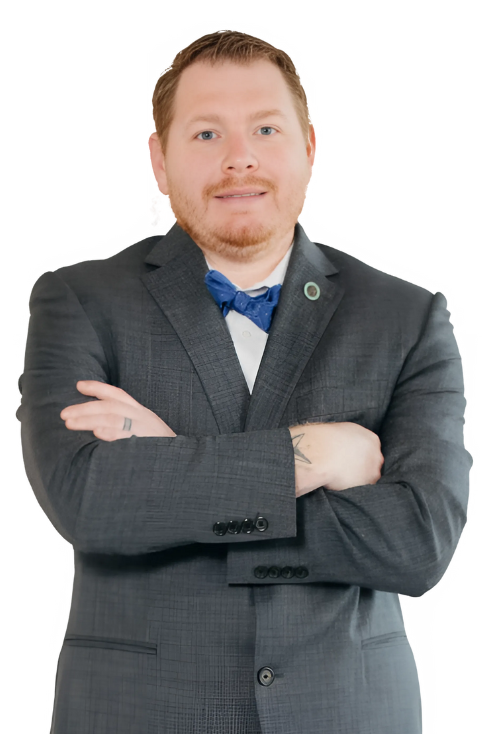
Mathew Dick is a trusted real estate professional specializing in buying, selling, and relocating in Central Texas. With a client-focused approach, he ensures a smooth and successful journey for every homebuyer and seller.