2026 VA Loan UPDATES Every Veteran Should Know Before Buying a Home
If we are planning to use a VA loan this year, these VA Loan UPDATES matter a lot more than most people realize. Some of the changes are genuinely helpful and should make buying easier. Others still create confusion, delays, and bad assumptions that can hurt a deal if we do not understand how the process works.
The biggest VA Loan UPDATES for 2026 center around the appraisal process, minimum property requirements, fees, turnaround times, and how to handle a low appraisal. On top of that, the same old myths about VA loans are still floating around, and those myths keep costing veterans opportunities in competitive markets.
The good news is this. The VA loan is still one of the strongest home financing tools available. We still get benefits that conventional buyers usually do not, and in a lot of cases we can get into a home with less cash out of pocket.
Table of Contents
- VA Loan Updates 2026: What's Changed This Year
- 2026 VA Appraisal & Property Requirement Changes
- What VA Appraisers Look for During an Appraisal
- VA Appraisal vs Home Inspection: Key Differences
- VA Appraisal Costs, Timelines & Low Appraisal Solutions
- Common VA Loan Myths Debunked
- Why VA Home Loans Remain One of the Best Financing Options
- Smart VA Home Buying Tips for 2026
- FAQs About 2026 VA Loan
VA Loan Updates 2026: What's Changed This Year
The headline with these VA Loan UPDATES is pretty simple. The VA made adjustments that remove some unnecessary repair requirements during the appraisal process. That is a big deal because for years, small issues that were more cosmetic than dangerous could slow things down or kill a deal entirely.
That does not mean the VA got loose with property standards. It means the agency trimmed back some of the stuff that was creating friction without doing much to protect the buyer.
FIND YOUR PERFECT HOME IN CENTRAL TEXAS
These VA Loan UPDATES are especially important for:
- Veterans buying their first home
- Active duty service members relocating
- Military families moving on a tight timeline
- Agents and sellers who still think VA financing is unusually difficult
If we understand what actually changed, we can negotiate better, set the right expectations, and avoid panicking over things that are no longer automatic problems.
2026 VA Appraisal & Property Requirement Changes
The biggest practical change in these VA Loan UPDATES is tied to the VA appraisal and the minimum property requirements, often called MPRs.
Starting May 1, 2026, several repair items that used to create unnecessary headaches were removed from the list of mandatory appraisal repairs. This is one of the best updates veterans have gotten in a while because a lot of transactions were getting jammed up over issues that had very little to do with safety or livability.

Some of the repair-related changes include:
- Detached sheds and outbuildings no longer have to meet VA standards in the same way they used to.
- Exterior paint defects on post-1978 homes are no longer mandatory repairs.
- Certain radon and heater certifications were removed.
That is a pretty big win. If a detached shed is ugly or outdated but has nothing to do with the home being safe and livable, it should not be blowing up a transaction. Same thing with minor exterior paint issues on newer homes where the old lead paint concern is not the same issue it would be on older properties.
Why does this matter so much? Because unnecessary repairs create:
- Delays in closing
- Extra negotiations with sellers
- Out of pocket costs no one planned for
- Deals falling apart over minor items
The intent behind these VA Loan UPDATES is to keep the protections that matter while removing the noise. That is exactly how it should work.
What VA Appraisers Look for During an Appraisal
This is where people get tripped up. Just because some repair requirements were removed does not mean the VA stopped caring about the condition of the home.
The core rule is still the same. The home must be safe, sanitary, and structurally sound.
That means VA appraisers are still paying attention to major issues like:
- Roof condition
- HVAC functionality
- Water systems
- Electrical systems
- Structural integrity
- Safety hazards
- Pest issues
- Adequate access to the property
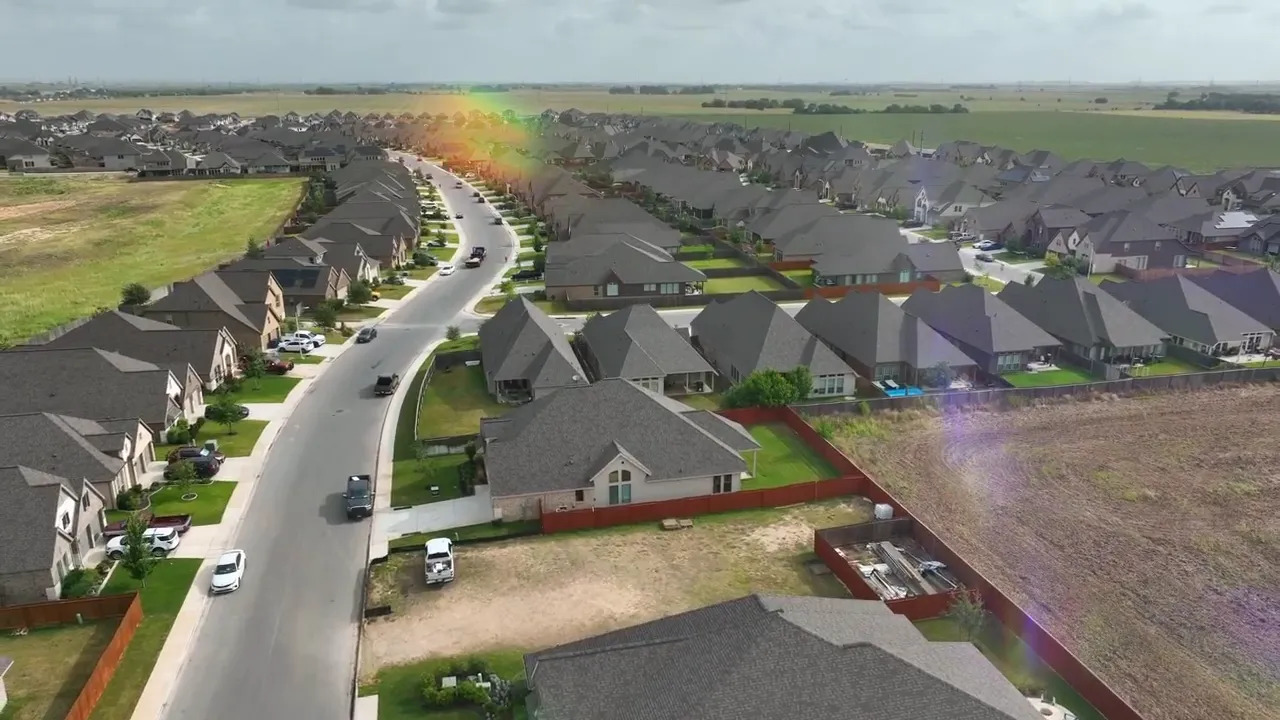
So yes, the process got easier in some places. No, it did not become a free pass.
That is actually a good thing. The VA appraisal is there to help protect us from ending up in a property with serious problems. It is not there to nitpick every cosmetic issue, but it is definitely there to flag a bad roof, major system failures, obvious structural concerns, and legitimate health or safety risks.
VA Appraisal vs Home Inspection: Key Differences
One of the most common misunderstandings around VA Loan UPDATES has nothing to do with a new rule at all. It is the old confusion between an appraisal and a home inspection.
These are not the same thing.
A VA appraisal is mainly focused on two things:
- Determining the property's value
- Confirming it meets VA minimum property standards
A home inspection is a much deeper look at the actual condition of the house and its systems.
If we are using a VA loan, we should still get a home inspection every single time. Always.
An appraiser is not doing the kind of detailed evaluation an inspector does. A good inspector can uncover issues with plumbing, electrical work, appliances, foundation movement, roof wear, drainage, insulation, and a bunch of other things that may not become a problem for the appraisal but can definitely become our problem after closing.
That distinction matters because some buyers think, "Well, it passed the VA appraisal, so we are good." Not necessarily. Passing the appraisal does not mean the home is flawless. It means it met the standards required for VA financing and supported the value.
VA Appraisal Costs, Timelines & Low Appraisal Solutions
Another one of the big VA Loan UPDATES for 2026 involves appraisal fees and turnaround times.
In many markets, typical VA appraisal fees are now roughly $650 to $800. Rural areas may come in a bit higher.
As for timing, expect many appraisals to come back in about 6 to 10 business days, depending on the area.
And here is something people need to hear clearly. Calling the appraiser is not going to magically speed things up. Those timelines are generally controlled by the VA framework, not by how many follow up calls somebody makes.
If the schedule is tight, we need to plan for that on the front end instead of acting surprised in the middle of escrow.
What happens if the VA appraisal comes in low
This is one of the most stressful moments in any deal, and it is absolutely part of the VA Loan UPDATES conversation because the timing and options matter.
If the appraisal comes in below the purchase price, we usually have three main options:
- The seller lowers the price
- The buyer pays the difference
- We request a reconsideration of value, or ROV
That third option can be useful, but we need to be realistic about the timeline. An ROV can add around 7 to 14 business days to the process.
That is why having a solid real estate agent and lender who understand VA financing matters so much. A low appraisal is not the end of the world, but it does create a situation where strategy matters. We need to know whether the value can actually be challenged, whether the seller is motivated to negotiate, and whether it makes sense to bring in more cash.
Not every low appraisal should turn into a fight. Sometimes the smartest move is a price adjustment. Sometimes the numbers still work if we cover the gap. Sometimes an ROV makes perfect sense. The key is not guessing our way through it.
Common VA Loan Myths Debunked
Even with all the VA Loan UPDATES, the same myths are still hanging around and hurting veterans.
Myth 1: VA loans are harder for sellers
This one gets repeated constantly, and it is just not true in the broad way people say it. Yes, VA loans have property standards. Yes, there is an appraisal. But that does not automatically make them some nightmare loan product for the seller.
With the 2026 changes removing some unnecessary repair items, this argument gets even weaker.
Myth 2: VA buyers are weak buyers
Also false. Using a VA loan does not make us weak buyers. In many cases, VA buyers are extremely well qualified and have a major financing advantage because of zero down payment and no PMI.
A buyer is not weak because they are using a benefit they earned. Strength comes down to the full offer, lender quality, timeline, preparation, and how clean the deal is.
Myth 3: You can only use your VA loan once
This one is flat wrong. The VA loan is not a one and done benefit. Depending on eligibility, restoration, and remaining entitlement, it can be used more than once.
That matters a lot for military families who relocate, convert a previous home to a rental, or buy again after selling.
These myths are not harmless. They affect how offers are written, how sellers respond, and whether veterans feel confident using the financing option that may serve them best.
Why VA Home Loans Remain One of the Best Financing Options
Even with all the noise, VA Loan UPDATES do not change the core truth. The VA loan is still one of the best mortgage products available.
The major advantages are still there:
- Zero down payment
- No PMI
- Flexible debt to income guidelines
- Competitive interest rates
- Assumable loans
That is a powerful set of advantages. And in a lot of situations, those benefits mean we can buy with less cash than a conventional buyer would need.
The assumable piece is worth mentioning too. It can be a valuable feature, but we also need to be honest about it. The assumable loan process can be a pain. It is not always quick or easy, so if we are considering that route, we need to talk through it carefully with the lender and the agent.
Still, when we stack up the pros, the VA loan remains an incredible benefit. The 2026 changes did not weaken that. If anything, some of these VA Loan UPDATES made it easier to use the benefit without getting derailed by nonsense.
Smart VA Home Buying Tips for 2026
If we are planning to buy with a VA loan this year, the goal is not just knowing the VA Loan UPDATES. The goal is using that knowledge to move smarter.
Here are the practical takeaways that matter most:
- Know the difference between an appraisal and an inspection. Never treat them as the same thing.
- Expect the property to still meet core safety standards. Easier does not mean careless.
- Budget for appraisal fees and realistic timing. Do not assume it will happen overnight.
- Have a plan for a low appraisal. Understand the three options before it happens.
- Work with people who actually understand VA financing. That part matters more than most people think.
The buyers who do best with these VA Loan UPDATES are the ones who come in prepared. They understand what the VA is looking for, what the appraisal can and cannot do, and how to avoid getting thrown off by myths or bad advice.
That is especially true in competitive markets. Confidence matters. Clarity matters. And having the right strategy matters a whole lot more than just hoping the deal works itself out.
If we use this loan the right way, it is still one of the strongest paths to homeownership available to veterans and military families.
If you're thinking about buying a home with a VA loan in 2026, don't leave your biggest investment to chance. Understanding the latest VA loan updates can help you avoid unnecessary delays, negotiate with confidence, and make the most of the benefits you've earned.
Whether you're a first-time homebuyer, relocating due to military service, or purchasing your next home, we're here to guide you through every step of the process.
Schedule a private showing today to tour available homes and get expert guidance on using your VA loan with confidence. We'd be honored to help you find the right home and make your home-buying journey as smooth as possible.
FIND YOUR PERFECT HOME IN CENTRAL TEXAS
FAQs About 2026 VA Loan
Did the VA remove all appraisal repair requirements in 2026?
No. The VA removed some repair requirements that were often considered unnecessary, such as certain issues involving detached outbuildings, some exterior paint defects on post-1978 homes, and some certification items. But the home still has to be safe, sanitary, and structurally sound.
What do VA appraisers still check after these VA Loan UPDATES?
They still look at major issues like roof condition, HVAC functionality, water and electrical systems, structural integrity, safety hazards, pest concerns, and whether there is proper access to the property.
Is a VA appraisal the same as a home inspection?
No. A VA appraisal focuses on value and minimum property standards. A home inspection is a more detailed review of the home's overall condition and systems. We should still get a home inspection.
How much are VA appraisal fees in 2026?
In many markets, VA appraisal fees are around $650 to $800, though rural areas may be higher.
How long does a VA appraisal take in 2026?
Typical turnaround times are often about 6 to 10 business days, depending on the market.
What happens if the VA appraisal comes in low?
There are usually three paths. The seller can lower the price, the buyer can pay the difference, or the parties can request a reconsideration of value. An ROV may add about 7 to 14 business days to the timeline.
Can we only use a VA loan one time?
No. That is one of the biggest myths out there. Depending on eligibility and entitlement, the VA loan benefit can be used more than once.
Are VA buyers weaker than conventional buyers?
No. VA buyers often have strong financing advantages, including zero down payment and no PMI. The strength of an offer depends on the whole picture, not just the loan type.
Bottom line, the 2026 VA Loan UPDATES are a mix of simplification and continued protection. Some pointless repair issues got cleaned up, but the VA still keeps its guardrails in place where they matter. If we understand the changes, ignore the myths, and build the right game plan, the VA loan is still an absolute weapon for buying a home in 2026.
Read More: The Ultimate Guide to VA Home Loans: Zero Down, Funding Fees, and Common Mistakes

Mathew Dick
Mathew Dick is a trusted real estate professional specializing in buying, selling, and relocating in Central Texas. With a client-focused approach, he ensures a smooth and successful journey for every homebuyer and seller.